

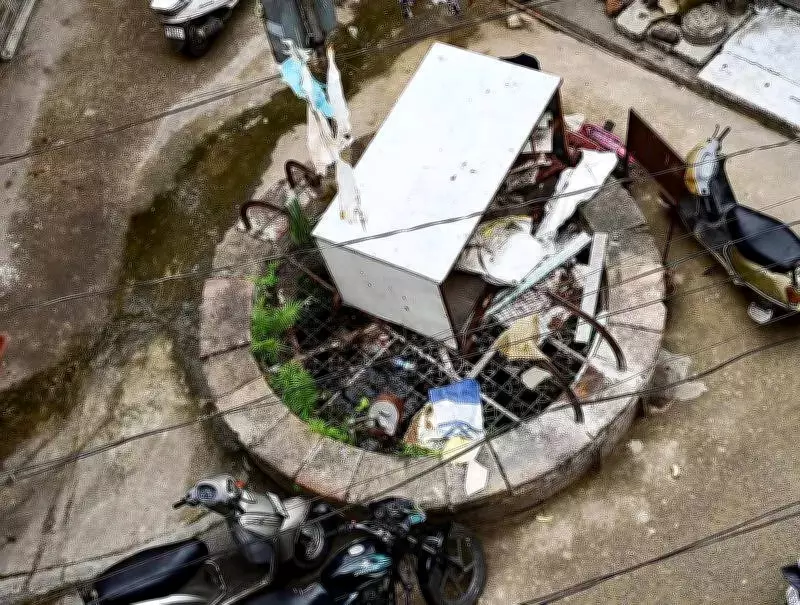
Nagpur's Recurring Well Cleaning Crisis: Rs2.23 Crore Plan Fails to Address Root Causes
In a concerning development for Nagpur's water security, the Nagpur Municipal Corporation (NMC) is preparing to spend a staggering Rs2.23 crore on cleaning contaminated public wells, barely a year after expending Rs1.24 crore on similar efforts. Internal documents reveal a troubling pattern of expenditure without corresponding outcomes, raising serious questions about municipal governance and public health priorities.
Limited Impact Despite Repeated Interventions
Between 2022 and 2025, the civic body conducted cleaning operations on 743 of Nagpur's 860 public wells across ten zones. However, nearly 45% of these vital water sources—amounting to 385 wells—remain completely unattended, highlighting the limited effectiveness of repeated interventions. The proposed 2025–26 plan aims to clean only 353 wells, leaving a significant number outside its scope and perpetuating the cycle of neglect.
Ignoring NEERI's Critical Warnings
The National Environmental Engineering Research Institute (NEERI) had previously identified leaking underground sewer lines as the primary source of well water contamination, rendering the water unfit for human consumption. Despite this clear scientific assessment, the NMC continues to rely on periodic cleaning operations that fail to address the fundamental pollution pathways. The civic body lacks a targeted remediation plan to fix the sewer leakage issues identified by NEERI, opting instead for temporary solutions that don't resolve the contamination at its source.

Concerning Spending Patterns and Planning Gaps
Financial data reveals alarming trends in municipal expenditure. While NMC spent Rs73.25 lakh on well cleaning in 2024 and Rs51.56 lakh in 2025, the budget for 2026 has nearly doubled to Rs2.23 crore without corresponding improvements in addressing contamination sources. Zone-wise analysis exposes significant planning deficiencies and inconsistent prioritization across Nagpur's administrative divisions.
In Gandhibagh zone, which contains 126 wells, municipal records show only eight wells marked as "clean" despite 91 wells being cleaned between 2022 and 2024. The current proposal plans to clean 37 wells in this zone alone, indicating repeated cycles of intervention without lasting results. Similar patterns emerge in Ashi Nagar, where 104 wells exist—84 were cleaned in 2023, 26 in 2025, and now 78 are proposed for cleaning in 2026.
Duplication, Neglect, and Inconsistent Implementation
Across multiple zones, proposed cleaning operations match or exceed the number of pending wells, pointing to duplication of efforts and weak monitoring systems. While some wells receive repeated cleaning attention, many others remain completely neglected, creating an uneven distribution of municipal resources and public health protection.
The report mentions experimental use of guppy fish in select wells in Dhantoli, Lakadganj, and Ashi Nagar zones to control mosquito breeding. However, there is no clarity on whether this biological intervention has improved water quality, particularly in wells affected by sewage ingress—the primary contamination concern identified by NEERI.
Yearly Trends Reflect Poor Oversight
Cleaning operations peaked at 263 wells in 2024 before dropping to 212 in 2025, despite a growing backlog of unattended wells. Civic experts attribute this inconsistent pattern to poor oversight and planning deficiencies rather than lack of financial resources. The supplementary budget proposal includes desilting, dewatering, and installation of information boards, but these measures fail to address the sewer leakages and contamination pathways that continue to pollute Nagpur's groundwater sources.
Dual Threat to Public Health and Environment
Public wells, once vital as emergency water sources and contributors to groundwater recharge, now pose a dual threat to Nagpur residents—direct health risks from contaminated water and environmental degradation from ongoing pollution. Without addressing the fundamental issues identified by NEERI, the municipal corporation's well cleaning exercise risks becoming a costly, endless cycle of temporary fixes without permanent resolution.

The latest proposal, cleared under a supplementary budget, represents a significant financial commitment that may yield limited public health benefits if contamination sources remain unaddressed. Municipal authorities face increasing pressure to develop comprehensive solutions that tackle both symptoms and causes of well water pollution in Nagpur.





