

Nashik's Heritage Conservation Project Reaches Major Milestone
Nashik Municipal Corporation (NMC) Commissioner Manisha Khatri announced on Friday that the ambitious Ram Kal Path project has achieved a significant milestone, with approximately 50% of the total work completed. The civic body has set a firm deadline of December 2026 for the project's final completion.
Project Timeline and Phased Execution
"Given the scale of the project and the importance of the upcoming Simhastha Kumbh Mela, it is an ambitious initiative. The civic body is committed to ensure the work is finished within the timeline," stated Commissioner Khatri during her announcement. She elaborated on the execution strategy, revealing that structural components would be finalized before the monsoon season arrives, while cladding and finishing works would commence after the monsoon period.
Scope and Heritage Conservation Focus
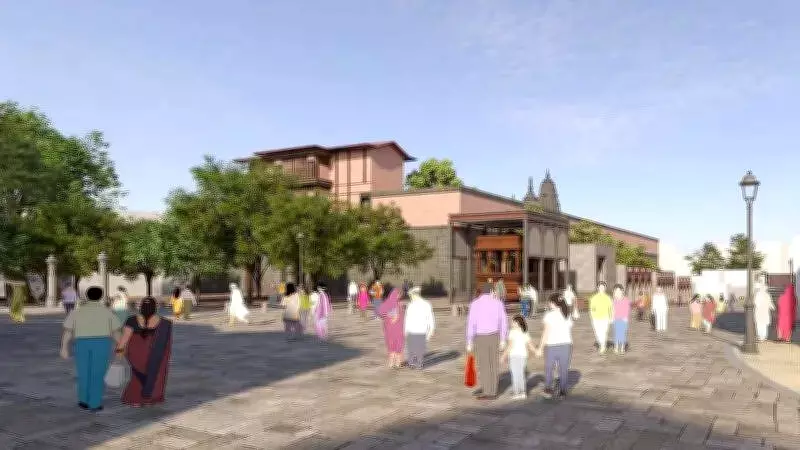
The Ram Kal Path project is fundamentally designed to conserve and enhance Nashik's distinctive heritage character. It encompasses the core pilgrimage zone stretching from Ramkund on the Godavari River to Kalaram Temple and Sita Gufa, along with adjacent heritage precincts in the Panchavati area. This heritage-led urban initiative seeks to upgrade public facilities and pilgrim infrastructure while meticulously preserving the existing urban fabric.

Financial Framework and Funding Sources
With an estimated total cost of Rs111 crore, the project's financing structure is robust. A substantial Rs99 crore is being provided under the Central Government's Special Assistance to States for Capital Investment scheme. An additional Rs12 crore has been raised through NMC's innovative Clean Godavari bonds, demonstrating a multi-faceted funding approach.
Detailed Breakdown of Project Components
The project encompasses two major financial allocations for distinct work categories:
- Heritage Conservation and Restoration (Rs23 crore): This portion covers the conservation and restoration of heritage structures, façade restoration, and renewal of urban elements along the Ramkund Road and Ram Kal Path route. Specific activities include temple restoration and heritage-themed façade treatments in the historic Panchavati areas.
- Infrastructure Development (Rs84 crore): Extensive development works are underway from Ahilyabai Holkar Bridge to Kalaram Temple via Ramkund. This comprehensive package includes:
- Ghat development and enhancement
- Construction of ceremonial entrance gates
- Comprehensive street development and improvement
- Advanced lighting installations
- Strategic tree plantation initiatives
- Installation of stone sculptures and creation of wall paintings
Enhanced Public Amenities and Design Philosophy
Civic officials emphasized that the project incorporates numerous public benefits, including improved pedestrian-friendly pathways, upgraded ghats, modern sanitation facilities, and well-organized public spaces. The design philosophy is deeply rooted in traditional Maratha architectural principles, emphasizing simplicity, proportion, and the use of local materials. This approach deliberately avoids excessive ornamentation to ensure new interventions blend harmoniously with the existing heritage setting.
Integrated Planning for Pilgrim Management
The project incorporates sophisticated planning elements to manage the anticipated influx of pilgrims, particularly for the Simhastha Kumbh Mela 2027. Designated vending zones have been strategically planned to support local livelihoods while ensuring unobstructed pedestrian movement. Improved crowd circulation patterns, enhanced accessibility features, and sustainability measures have been integrated to maximize pilgrim safety and comfort.

Residential Rehabilitation and Public-Private Partnership
In cases where structural removal was unavoidable for project execution, the NMC has implemented a responsible rehabilitation model. "Where redevelopment was unavoidable, the project-affected residents have been provided alternative housing through a PPP model using construction TDR," Commissioner Khatri explained. This public-private partnership approach utilizing Transferable Development Rights (TDR) ensures affected residents receive appropriate alternative accommodations.
Dual-Purpose Infrastructure Development
Khatri highlighted the project's dual functionality, stating, "The project has been designed to serve the requirements of the Simhastha Kumbh Mela as well as the everyday needs of citizens." This dual-purpose approach ensures the infrastructure benefits both major religious events and daily civic life.
Strategic Alignment with Kumbh Mela Preparations
NTKMA Commissioner Shekhar Singh reinforced the project's strategic importance, noting, "With preparations underway for the Simhastha Kumbh Mela 2027, the focus is on creating infrastructure capable of handling large pilgrim footfall while remaining sensitive to Nashik's heritage character. The design approach ensures that development complements the city's cultural identity rather than disrupting it."
The Ram Kal Path project represents a comprehensive urban renewal initiative that balances heritage conservation with modern infrastructure development, positioning Nashik to host major religious events while enhancing the quality of life for its residents and visitors.





