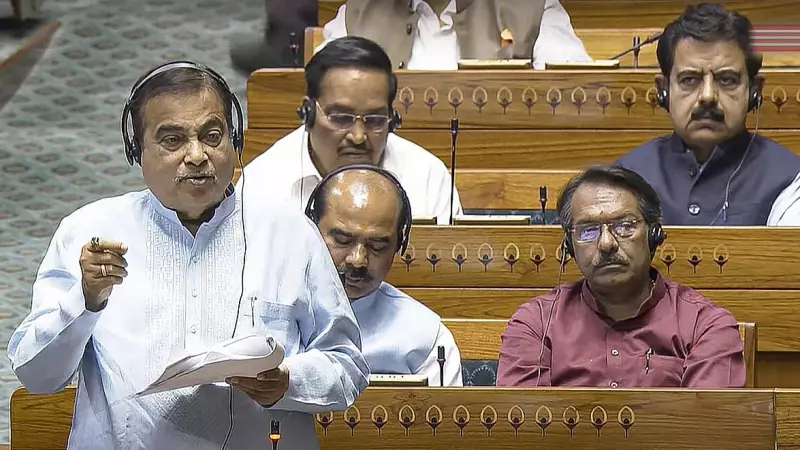
India's highways are set for a major technological leap as the government announced a nationwide rollout of a seamless, barrier-free toll collection system within the next twelve months. The initiative, aimed at eliminating traffic congestion at toll plazas, was confirmed by Union Minister for Road Transport and Highways, Nitin Gadkari.
Minister's Announcement in Parliament
Nitin Gadkari made the significant announcement on December 4, 2025, during the Question Hour in the Lok Sabha. He informed the house that the new system for toll collection, which does not require vehicles to stop at barriers, is already operational. The system has been successfully rolled out at ten different locations across the country as a pilot phase.
The Path to Nationwide Implementation
The minister stated that based on the learnings and success of the initial deployments, the government plans to extend this advanced tolling infrastructure across the entire national highway network. The ambitious target for this pan-India implementation is within one year from the date of his statement. This move is a direct continuation of the push for digital tolling that began with the mandatory adoption of FASTag.

The new barrier-less system typically uses a combination of technologies such as:
- Automatic Number Plate Recognition (ANPR) cameras.
- Advanced RFID readers for FASTag.
- Overhead gantries that electronically deduct the toll as vehicles pass at normal speed.
Implications for Indian Highways
This upgrade promises to revolutionize travel on Indian national highways. The primary benefits expected from this system include:
Elimination of long queues and congestion at traditional toll plazas, leading to massive fuel savings and reduced travel time. It also means a significant cut in vehicular emissions caused by idling engines. For commuters and logistics operators, this translates to faster, more predictable journey times and lower operational costs.
The success of this project hinges on the near-universal penetration of FASTag, which has already been made mandatory. The barrier-less model ensures a free-flow of traffic, bringing Indian highways on par with global standards seen in countries like the United States and Singapore. The government's one-year deadline underscores its commitment to modernizing the country's core infrastructure at a rapid pace.