

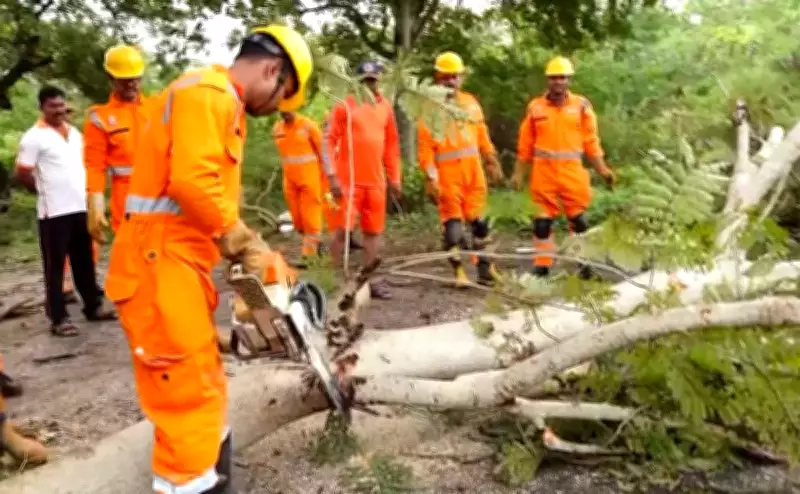
NDRF Confronts Severe Staffing and Funding Deficits Amid Rising Disasters
India's premier disaster response agency, the National Disaster Response Force (NDRF), is grappling with significant operational challenges due to persistent staffing and funding gaps. A recent analysis reveals that the force has not raised a single new battalion in the past three years, raising serious concerns about its capacity to handle the increasing frequency and intensity of natural calamities across the country.
Stagnant Growth in Battalion Strength
Since its inception, the NDRF has been a critical component of India's disaster management framework, with its battalions deployed during floods, earthquakes, cyclones, and other emergencies. However, the force's expansion has stalled, with no new battalions added to its roster since 2021. This stagnation comes at a time when climate change and urbanization are exacerbating disaster risks, necessitating a more robust and agile response mechanism.
The current structure comprises 16 battalions, each with approximately 1,149 personnel, but these units are often stretched thin during simultaneous disasters. The lack of new battalions has led to overburdened existing teams, potentially compromising response times and effectiveness in life-saving operations.

Funding Shortfalls and Resource Constraints
Compounding the staffing issue is a chronic funding gap that hampers the NDRF's ability to modernize equipment, conduct training, and maintain operational readiness. Insufficient budgetary allocations have delayed the procurement of advanced rescue tools, communication systems, and protective gear, which are essential for efficient disaster response.
Experts warn that these financial constraints not only affect immediate response capabilities but also long-term preparedness. Without adequate funding, the force struggles to invest in research, development, and innovation in disaster management technologies, leaving it reliant on outdated methods in an era of rapid technological advancement.
Impact on Disaster Response and National Security
The staffing and funding gaps have direct implications for India's disaster resilience and national security. During major events like the 2023 floods in North India or the 2024 cyclone in the eastern coast, NDRF teams reported being understaffed and under-equipped, leading to delayed rescues and increased vulnerability for affected populations.
Moreover, the force's role in chemical, biological, radiological, and nuclear (CBRN) emergencies adds another layer of complexity, requiring specialized training and resources that are currently lacking. This oversight could pose significant risks in the event of industrial accidents or terrorist threats involving hazardous materials.
Calls for Urgent Reforms and Strategic Investment
Disaster management advocates and policymakers are urging the government to address these gaps through immediate reforms. Key recommendations include:
- Accelerated Battalion Expansion: Raising new battalions to enhance geographic coverage and reduce response times.
- Increased Budgetary Allocation: Ensuring adequate funding for equipment, training, and infrastructure upgrades.
- Public-Private Partnerships: Collaborating with private sector entities for technology and resource sharing.
- Enhanced Training Programs: Focusing on skill development and simulation exercises to improve readiness.
As India faces a future marked by more frequent and severe disasters, bolstering the NDRF's capabilities is not just an operational necessity but a moral imperative to safeguard lives and property.






