

Odisha Government Notifies Draft Parking Policy 2026 to Address Urban Traffic Woes
In response to a sharp increase in private vehicles and severe space constraints in urban areas, the Odisha government has notified a comprehensive Draft Parking Policy for Urban Areas 2026. This initiative aims to reduce congestion, regulate on-street parking, and improve pedestrian safety across cities and towns throughout the state.
Rising Vehicle Numbers Prompt Policy Action
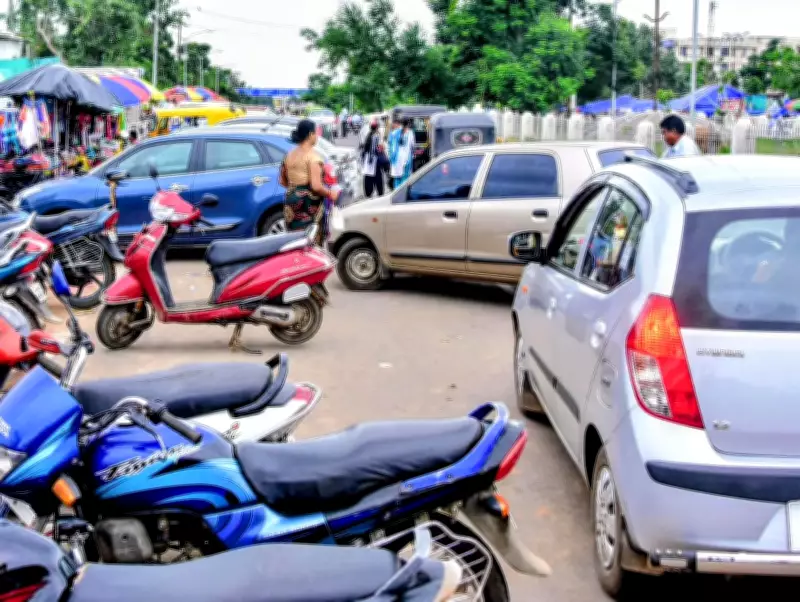
The decision comes amid an unprecedented rise in vehicle registrations in Odisha. According to government data, vehicle registration has surged by over 65% in just six years, escalating from 91.3 lakh in 2017–18 to more than 1.5 crore in 2023–24. Authorities highlight that the absence of a uniform parking management framework has led to widespread issues, including unauthorized parking on kerbsides, reduced footpath space, and inefficient use of public areas, all of which exacerbate daily traffic problems.
Key Features of the New Parking Policy
On April 14, the housing and urban development department notified the policy, introducing several innovative measures for the first time in urban areas such as Bhubaneswar and Cuttack. These include demand-based pricing, proof-of-parking norms, and strict enforcement protocols. The draft policy is currently available on the department's website, with stakeholders invited to submit suggestions and objections until the end of this month.

Under the new framework, parking will no longer be treated as a free public entitlement but as a strategic tool to manage demand. Urban local bodies will implement dynamic, location-based parking fees, with higher tariffs in busy commercial zones and lower charges in residential areas to optimize space usage.
Regulations and Penalties to Enhance Efficiency
To discourage vehicles from assembling at kerbsides and improve turnover, the draft policy stipulates that off-street parking (parking on pavements) will cost at least 25% less than on-street parking. Additionally, cities will be empowered to mandate proof of available parking space for the registration of new private vehicles in high-density zones. Residential on-street parking will be prohibited on roads narrower than 12 metres, while overnight parking will only be permitted through a regulated permit system.
The policy strongly emphasizes pedestrian rights, clearly stating that encroachment of footpaths by parked vehicles violates citizens' right to safe walkways. "On-street parking that hampers walking, cycling, or emergency access will attract strict penalties, towing, and repeat-offender action," the draft policy reads, underscoring the commitment to public safety.
Technology and Sustainable Mobility Focus
To ensure smarter management, cities will roll out technology-driven parking systems, including real-time slot availability, cashless payments, digital permits, and geo-tagged enforcement. Parking area management plans have been made mandatory to guide area-wise pricing, enforcement, and integration with public transport.
A unique regulation introduced in the draft policy is shared and mixed-use parking. "Underutilised parking spaces in residential complexes, office buildings, and institutions can be opened up for public use through formal agreements or digital platforms, reducing the need for new parking construction," it states, promoting efficient resource utilization.
Revenue Allocation and Environmental Incentives
Crucially, all parking revenue will be ring-fenced exclusively for sustainable mobility projects, such as footpaths, cycle tracks, EV charging infrastructure, and public transport improvements. The policy also mandates EV charging points in new parking facilities and offers incentives for electric vehicles, bicycles, and verified carpool users, aligning with environmental goals.
Aligning with National Urban Development Principles
Officials noted that the policy aligns with national urban transport and transit-oriented development principles. It aims to reclaim street space for people rather than parked vehicles, gradually guiding cities towards safer, more walkable, and public transport-oriented urban mobility. This holistic approach seeks to transform urban landscapes by prioritizing pedestrian safety and reducing reliance on private vehicles.






