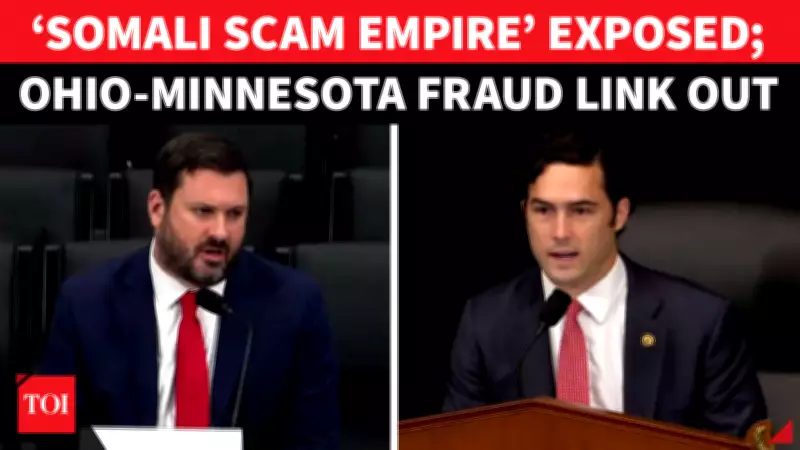
The House Oversight Committee held a high-stakes hearing examining vulnerabilities in Medicaid waiver programs and potential fraud schemes costing taxpayers billions. During the session, Rep. Brandon Gill pointed to claims of roughly $1.2 billion in questionable Medicaid spending in Ohio and raised concerns about possible links to fraud cases in Minnesota. Lawmakers questioned witnesses about oversight failures, multi-state networks, and whether existing safeguards are strong enough to prevent abuse.
The hearing highlighted a bombshell revelation that Somali relatives may have been involved in scamming the system, connecting fraudulent activities across state lines. Witnesses testified about elaborate schemes that exploited loopholes in Medicaid waiver programs, which are designed to provide home and community-based services to individuals with disabilities. The fraud allegedly involved billing for services never rendered, phantom patients, and kickback arrangements that funneled millions to unscrupulous providers.
Key Concerns Raised by Lawmakers
Rep. Brandon Gill, a Republican from Texas, emphasized the staggering scale of the potential fraud, noting that the $1.2 billion figure represents only the tip of the iceberg. He questioned whether federal and state agencies had the resources and coordination to detect and prevent such abuse. Other committee members echoed these concerns, demanding answers from officials from the Centers for Medicare & Medicaid Services (CMS) and state Medicaid directors.

Oversight Failures and Multi-State Networks
Lawmakers pressed witnesses on how fraudulent providers could operate across multiple states without detection. Evidence presented suggested that organized networks exploited weak oversight in waiver programs, which often rely on self-reporting and limited audits. The Minnesota link involved similar patterns of fraud, leading investigators to suspect a coordinated effort. The committee called for stronger data-sharing agreements between states and enhanced fraud detection technologies.
Existing Safeguards Under Scrutiny
Witnesses acknowledged that current safeguards, including background checks and billing reviews, are insufficient to prevent sophisticated fraud schemes. They recommended implementing real-time claims monitoring, increased penalties for fraud, and better training for state auditors. The hearing concluded with a bipartisan call for legislative action to close loopholes and protect taxpayer dollars.