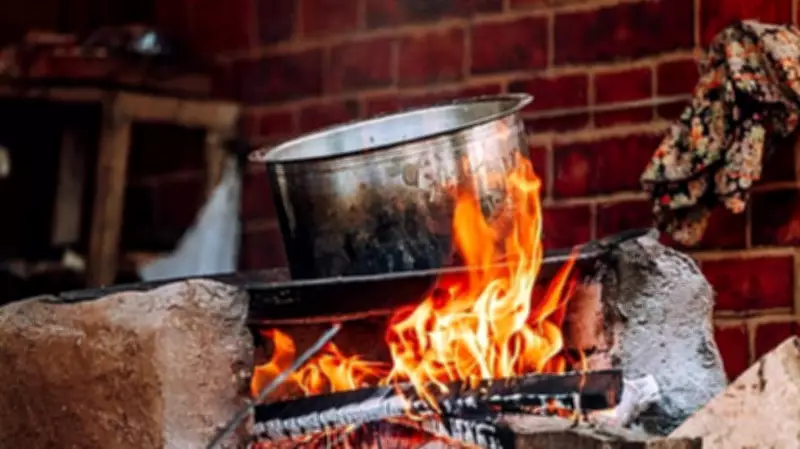
A recent study has highlighted a stark disparity in cooking fuel usage across Karnataka, with only 30% of households using liquefied petroleum gas (LPG) while the majority continue to rely on firewood. The findings, published by the Karnataka State Natural Disaster Monitoring Centre (KSNDMC), underscore the persistent challenges in transitioning to cleaner energy sources.
Study Reveals Low LPG Adoption
The study, which surveyed over 1.2 crore households in the state, found that approximately 70% of families still depend on firewood for their daily cooking needs. This dependence is particularly pronounced in rural areas, where access to LPG remains limited due to factors such as cost, availability, and lack of infrastructure.
Health and Environmental Impacts
The reliance on firewood has significant health implications, particularly for women and children who are most exposed to indoor air pollution. According to the World Health Organization, household air pollution from solid fuels causes millions of premature deaths annually. Environmentally, the use of firewood contributes to deforestation and carbon emissions.

In contrast, LPG is considered a cleaner and more efficient fuel. The Indian government has promoted LPG adoption through schemes like the Pradhan Mantri Ujjwala Yojana, which provides subsidized connections to below-poverty-line households. However, the study indicates that these efforts have not yet reached a majority of Karnataka's population.
Regional Disparities
The study also revealed significant regional variations within the state. Urban areas like Bengaluru have higher LPG penetration, with over 80% of households using the fuel. In contrast, rural districts such as Kalaburagi and Vijayapura have less than 20% LPG usage. The disparity highlights the need for targeted interventions in underserved regions.
Government Initiatives and Challenges
The Karnataka government has launched several programs to promote clean cooking fuels, including free LPG connections for poor households and subsidies for refills. However, challenges remain, including the high cost of LPG cylinders, irregular supply in remote areas, and cultural preferences for traditional cooking methods.
Experts suggest that a combination of policy measures, community engagement, and technological innovations is needed to accelerate the transition. Solar-powered cooking solutions and improved biomass stoves are among the alternatives being explored.
The study serves as a wake-up call for policymakers to intensify efforts to ensure that all households have access to clean and affordable cooking energy. Addressing this issue is crucial for improving public health, protecting the environment, and achieving sustainable development goals.