

Patna Municipal Corporation Launches Major Waste Management Initiative
The Patna Municipal Corporation (PMC) has embarked on an ambitious project to construct garbage transfer stations (GTS) across its six administrative circles, with an estimated total investment of Rs 69 crore. This initiative is designed to establish a vital connection between local waste collection points and final disposal sites, effectively eliminating the practice of open dumping and improving urban sanitation.
Construction Progress and Station Details
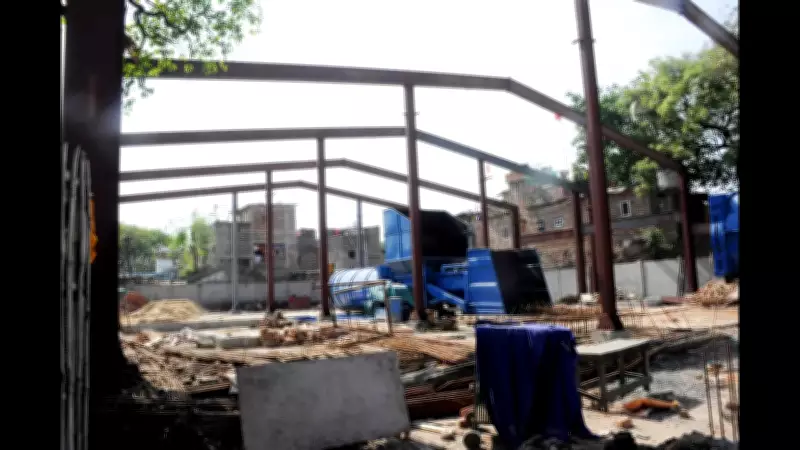
Construction activities are currently underway in the Bankipur, Kankarbagh, New Capital, and Patliputra circles, while land acquisition processes are ongoing for the Azimabad and Patna City circles. Upon completion, these facilities will collectively have the capacity to process up to 1,650 tonnes of garbage per day, significantly boosting Patna's waste handling capabilities.
Each station has been meticulously planned with specific dimensions and budgets tailored to the needs of its respective area:

- Azimabad Station: Estimated cost exceeds Rs 6 crore, with a daily capacity of 150 tonnes.
- Bankipur Facility: Located on Bazaar Samiti road, budgeted at over Rs 12 crore, capable of handling 300 tonnes daily.
- Kankarbagh GTS: Situated in Transport Nagar, allocated over Rs 12 crore for a 300-tonne daily capacity.
- New Capital Station: Nearing completion in Yarpur at a cost of over Rs 11 crore.
- Patliputra GTS: Near JP Setu, budgeted at over Rs 12 crore for 300 tonnes daily.
- Patna City Facility: With a budget exceeding Rs 13 crore, designed to manage 300 tonnes of waste each day.
Advanced Technology and Operational Efficiency
PMC engineers involved in the project have highlighted the use of state-of-the-art equipment, including mechanical compactors, conveyors, and hydraulic systems, to efficiently manage waste. Small collection vehicles such as tippers, rickshaws, and e-rickshaws transport refuse from residential, commercial, and market areas to these stations. At the facilities, waste is unloaded onto platforms where machines compress it, enabling larger quantities to be loaded into transport vehicles for onward movement to processing plants or the landfill site at Ramchak Bairiya.
This system offers multiple benefits: it reduces the number of trips required by smaller vehicles, leading to lower fuel consumption and decreased traffic congestion. Additionally, it facilitates large-scale monitoring of waste transportation, enhancing overall operational transparency and control.
Impact on Waste Management and Sustainability
Patna Mayor Sita Sahu emphasized the transformative impact of this network, stating, "The network of transfer stations improves waste management efficiency across all wards. The facilities allow for the segregation of wet and dry materials before final disposal, which increases waste recovery and recycling rates." By enabling segregation at the station level, the volume of waste reaching landfill sites is reduced, promoting environmental sustainability.
The shift to this advanced system is expected to lower operational costs and shorten waste transportation times, contributing to a cleaner and more efficient urban environment. This project represents a significant step forward in Patna's efforts to modernize its waste management infrastructure and address long-standing civic challenges.






