

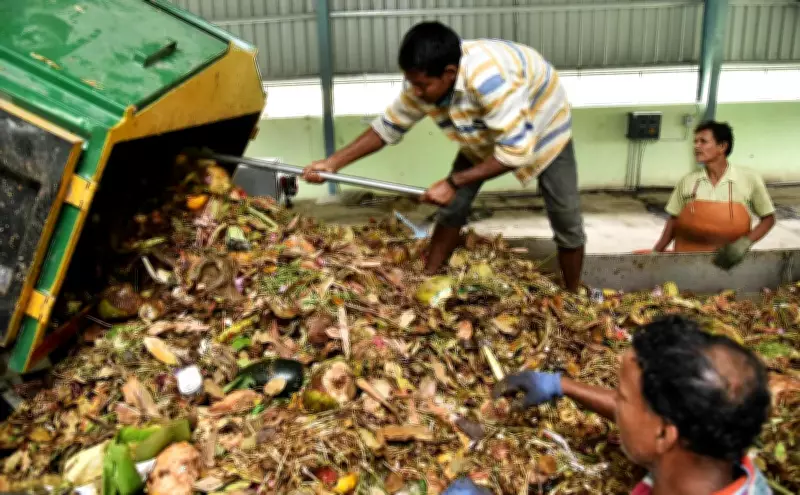
The Pimpri Chinchwad Municipal Corporation (PCMC) has issued civic notices to housing societies, mandating the installation and operationalisation of wet waste-processing units by June 30. This has sparked renewed confrontation over waste management norms, with residents strongly opposing the directive.
Notices to Bulk Waste Generators
The notices were sent to housing societies classified as bulk waste generators. Civic officials warned that action—including fines and legal proceedings—would be initiated against those failing to process wet waste at source, as required under environmental regulations.
Under the Solid Waste Management Rules, 2016, residential complexes generating over 100 kg of waste per day, consuming more than 40,000 litres of water daily, or spread across over 20,000 square metres must install composting units and process wet waste within their premises.

Residents' Concerns
Residents argue that the civic body is enforcing norms that were ignored when approving housing projects. “Most builders did not provide waste-processing facilities during construction. In many cases, no space was reserved for such setups. The civic administration must clarify how these projects were approved and where residents should now build these facilities,” said Ramesh Thorat, a resident of Ravet.
The issue has surfaced repeatedly over the years, with PCMC issuing similar notices almost annually. This often leads to disagreements between resident groups and civic officials over who should bear the responsibility of compliance.
Sachin Londhe, president of the Pimpri Chinchwad Cooperative Housing Societies Federation, stated that the dispute has persisted for over a decade. “Every year, residents and municipal officials argue over the same issue. We have raised the matter in several meetings, but no solution has emerged. The municipal corporation expects societies to manage everything from sewage treatment plants to waste processing, yet provides little support—while continuing to collect taxes,” he said.
Federation Opposes Move
The Chikhali Moshi Pimpri Chinchwad Housing Societies Federation has also opposed the move, terming it unilateral and impractical. In a letter to PCMC commissioner Vijay Suryavanshi, the federation warned of agitation if the civic body stops collecting wet waste from large societies without prior consultation. “In such a case, we will have no option but to dump accumulated waste in the municipal commissioner’s office,” said federation president Sanjeevan Sangle.
The federation alleged that several large residential projects were granted completion certificates despite lacking mandatory waste-processing infrastructure. “It was the responsibility of the civic administration to ensure compliance with waste management norms before issuing building permissions and occupancy certificates. Despite repeated representations over the years, no action has been taken against developers,” the federation said.
Residents' groups further noted that many housing projects face practical constraints, such as lack of space, technical challenges, and the absence of prior planning for waste-processing facilities, making immediate compliance difficult.
Civic Body's Stance
However, PCMC officials maintained that the notices were issued in compliance with the Supreme Court’s directions and environmental regulations. Pradip Thengal, deputy municipal commissioner and head of PCMC’s health department, told TOI that large housing societies are legally required to process their waste and register on a dedicated portal monitored by the Central Pollution Control Board.
“The rule is not imposed by the municipal corporation. It is based on Supreme Court guidelines. We will stop collecting waste from non-compliant large societies from July 1. Further action, including penalties, will be initiated wherever necessary,” Thengal said.
Thengal added that the matter of developers failing to provide waste-processing facilities is between them and flat owners. “Our department cannot intervene. Our responsibility is to ensure compliance with the law,” he said.






