Power Distribution Companies Achieve Historic Turnaround with Rs 2,700 Crore Profit
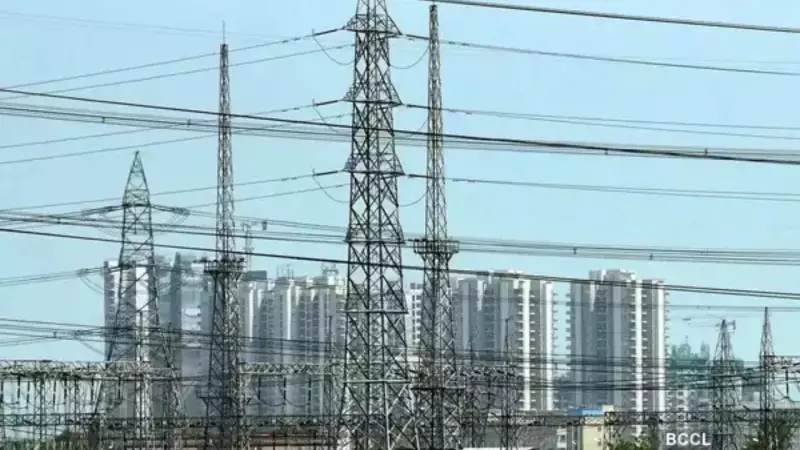
In a remarkable financial reversal, India's power distribution companies (discoms) have posted a combined profit of over Rs 2,700 crore for the fiscal year 2024-25. This represents a dramatic improvement from the previous year's losses of Rs 25,553 crore, marking the first time since the corporatisation of state-run utilities that discoms have collectively turned profitable.
Subsidy Releases and Dues Recovery Drive Financial Recovery
Speaking at the inaugural annual conference of the All India Discoms Association (AIDA), EDICON 2026, Power Minister Manohar Lal Khattar identified two primary factors behind this turnaround. "Many states were not releasing subsidy amounts on time. We made sustained efforts over the past year, which led some states to fast-track the payments. This became a major reason for discoms turning profitable," Khattar explained.
The government attributed the improved performance to consistent efforts in ensuring timely subsidy releases from state governments. Khattar specifically acknowledged states including Bihar, Delhi, Himachal Pradesh, Rajasthan, Punjab, Tamil Nadu, and Madhya Pradesh for their proactive measures in enhancing the financial health of power distribution companies.

Additionally, the recovery of long-pending dues from various government establishments significantly contributed to strengthening discoms' balance sheets. This dual approach of securing subsidies and collecting outstanding payments created a solid foundation for profitability.
Smart Meter Installation and Prepaid Systems Gain Momentum
Minister Khattar emphasized the critical role of smart meter installation in sustaining this financial improvement. He revealed that approximately five crore smart meters have already been installed nationwide, progressing toward the ambitious target of 20 crore meters.
"We must begin with government offices, employees and services, including installing prepaid smart meters at the residences of chief ministers and governors. Similarly, commercial, industrial and large domestic consumers should also be brought under prepaid smart meters," Khattar stated during his address.
To accelerate adoption, the minister suggested that states and discoms consider providing incentives to consumers. This strategy aims to address resistance to installation while ensuring consumers benefit from the transparency and efficiency that smart meters offer. He specifically urged distribution utilities to prioritize installing smart meters in government buildings, colonies, and residences of government officials.
Regulatory Reforms and Cost-Reflective Tariffs on the Horizon
Looking forward, Khattar discussed upcoming legislative changes that could further transform the power sector. The Electricity Amendment Bill, expected to come up for discussion and passage in the forthcoming budget session, proposes implementing cost-reflective tariffs.
"This will factor in all expenses on power supply in the tariff, thereby reducing losses. The bill is likely to come up in this budget session of Parliament, and we will try to build consensus for its smooth passage," the minister explained.
Cost-reflective tariffs would enable discoms to earn sustainable profits, which could then be utilized for cross-subsidization as per established rules. Khattar noted that this approach represents a fundamental shift toward financial sustainability in the power distribution sector.
Addressing Regulatory Challenges for Long-Term Stability
Khattar also addressed regulatory concerns affecting discom performance. He observed that "excess regulation by power regulators had led to higher losses for discoms" and emphasized the need to relax certain regulations to improve their financial position.
"Regulators want to curb discom losses, but excess regulation is, in fact, causing more losses," he remarked, highlighting the delicate balance between oversight and operational flexibility required for discoms to thrive financially.

This comprehensive approach—combining subsidy management, dues recovery, technological modernization through smart meters, tariff reforms, and regulatory adjustments—has created a sustainable pathway for India's power distribution companies to maintain profitability and improve service delivery across the nation.