

Power Secretary Urges Acceleration of Diversified Energy Projects
In a significant development aimed at bolstering India's energy security, Union Power Secretary Pankaj Agarwal on Saturday issued a directive to power utilities, calling for an accelerated pace in projects based on a diversified energy mix. This strategic move is designed to effectively meet the nation's long-term electricity requirements amidst rising demand.
Emphasis on Bundling Renewable and Non-Renewable Sources
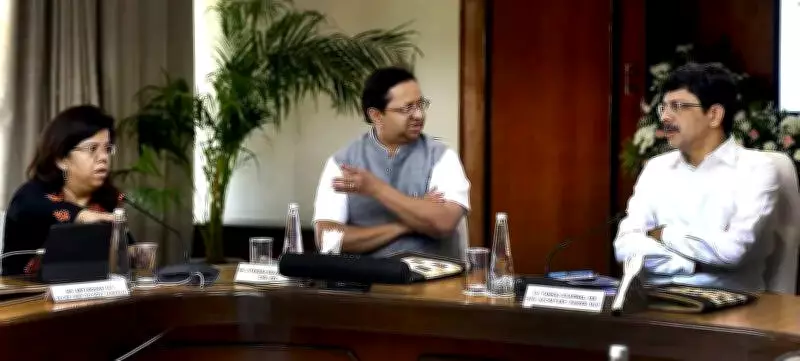
During a comprehensive review meeting held at Vidyut Bhawan in Jaipur, Agarwal emphasized the critical importance of bundling renewable and non-renewable energy sources. He highlighted that this integrated approach would enable better management and optimization of power supply, ensuring reliability and sustainability. The focus is on creating a balanced energy portfolio that can adapt to fluctuating demands and environmental considerations.
Review of Rajasthan's Progress and Challenges
Chairing the meeting, Agarwal took detailed feedback from senior officials of Rajasthan's energy department and power corporations on key operational issues. He acknowledged the state's significant progress in promoting decentralised solar energy projects under the PM-KUSUM scheme, which has empowered local communities and enhanced energy access.

However, Agarwal also issued a cautionary note, pointing out that the rapid development of these decentralised solar projects has introduced challenges in integrating solar power into the existing grid infrastructure. This underscores the need for robust technical solutions to maintain grid stability and prevent disruptions.
Call for Enhanced Grid Preparedness and Infrastructure
To address these integration challenges, Agarwal urged distribution companies to strengthen their preparedness measures. He stressed the necessity of ensuring an uninterrupted power supply during peak hours, which is crucial for both industrial and residential consumers.
In this context, he called for the timely development of battery energy storage systems and other supporting infrastructure. These systems are vital for storing excess renewable energy and releasing it during high-demand periods, thereby enhancing grid resilience and efficiency.
Comprehensive Review of Key Aspects
The meeting also involved an in-depth review of several critical aspects of the power sector:
- Daytime power supply to the agriculture sector across 24 districts, aimed at supporting farmers and boosting agricultural productivity.
- Reduction of transmission and distribution losses, which is essential for improving operational efficiency and reducing costs.
- Progress of smart metering under the RDSS scheme, which facilitates better energy management and consumer engagement.
- Resource adequacy planning to ensure that future energy needs are met without shortages.
Updates on Transmission and Renewable Connectivity
Additionally, updates were sought on the expansion of transmission projects and the integration of renewable energy connectivity to the State Transmission Utility network. This focus on infrastructure expansion is key to accommodating the growing share of renewables in the energy mix and ensuring seamless power flow across regions.
Overall, Agarwal's directives underscore a proactive approach to modernizing India's power sector, with a clear emphasis on diversification, grid stability, and sustainable development. The initiatives discussed are expected to play a pivotal role in shaping the country's energy landscape in the coming years.






