

Pune's Traffic Woes: A Deep Dive into Systemic Challenges
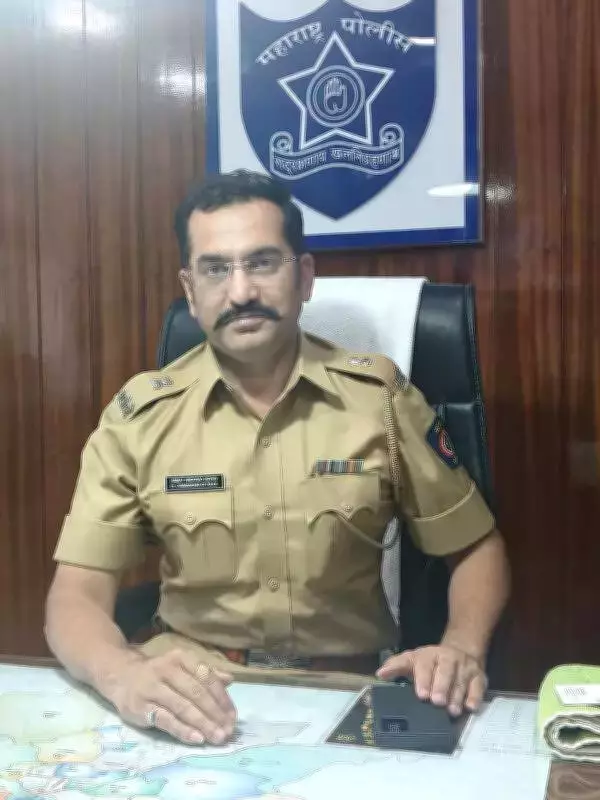
Pune's escalating traffic congestion has become a pressing issue, drawing attention both within the city and beyond. In an exclusive interview, Deputy Commissioner of Police (Traffic) Himmat Jadhav sheds light on the multifaceted challenges and potential solutions facing the traffic department.
Technology and Manpower: A Critical Balancing Act
The Pune Traffic Police employ a sophisticated array of technologies to monitor and manage traffic flow. These include real-time data from Google Maps, TomTom, a dedicated wireless network, WhatsApp groups, social media reports, and extensive CCTV surveillance. A control room operates round-the-clock to oversee these feeds. However, DCP Jadhav emphasizes that technology alone is insufficient. "We still have to deploy officers on the ground to physically decongest areas, and manpower shortage remains a significant hurdle," he states.
Severe Staffing Shortages Exposed
With only 1,147 personnel in the department, the ground reality is stark. After accounting for leaves, office duties, drivers, writers, court appearances, and night shifts, approximately 675 traffic personnel are available to cover the entire city. In comparison, Nagpur, with fewer divisions and vehicles, maintains 150-225 staff per division. Despite repeated requests, state government allocations have not increased adequately. "Even with an extra 150 staff provided by the Commissioner, it is far from enough. Managing with current manpower is extremely difficult," Jadhav explains.

Infrastructure and Public Transport Failures
The city's rapid growth has exacerbated traffic problems. Pune has more vehicles than its roads can accommodate, and the public transport system is inadequate. Buses are too large for internal roads, causing congestion, and their frequency is lacking. Jadhav argues that a metropolitan city like Pune should rely more on rail tracks than roads, but current infrastructure does not support this.
Delayed Projects Worsen Congestion
Ongoing infrastructure projects have become a major bottleneck. Key initiatives like the outer ring road, grade separators, and flyovers are delayed for years. For instance, the University Road flyover project has been ongoing for nearly five years, while the Sadhu Vaswani bridge, initially slated for six months, will now take over two and a half years. These delays severely hamper traffic management efforts.
Future Initiatives and Hopes for Improvement
A new Intelligent Traffic Management System (ITMS) is in the pipeline, promising more efficient signals and cameras, but it will take about a year to implement. Coordination with the Pune Municipal Corporation (PMC) is ongoing, though slow. "The new PMC chief is aggressive about innovative ideas, so we are hopeful for change," Jadhav notes. Additionally, the Pune Traffic Police app is being enhanced for better user engagement, and drives against traffic violations like triple-seat riding and modified silencers will continue throughout the year.
Despite these efforts, the reality remains challenging. Citizens often blame traffic police without considering the limited resources and external factors at play. As Pune's population grows, urgent systemic improvements are needed to ensure disciplined, seamless, and safe commutes for all.






