

Trump Administration Unveils 15-Point Ceasefire Plan for Iran-Israel Conflict
The Trump administration has formally presented a comprehensive 15-point ceasefire proposal aimed at halting the escalating military conflict between Iran and Israel. This initiative comes amidst a backdrop of heightened tensions in the Middle East, with the region teetering on the brink of a broader regional war. The detailed plan outlines a structured framework for immediate de-escalation and the initiation of substantive peace negotiations between the two adversarial nations.
Key Components of the Proposed Ceasefire Framework
The proposed ceasefire plan is meticulously structured to address both immediate security concerns and longer-term diplomatic objectives. Central to the proposal is an immediate cessation of all hostile military activities, including airstrikes, missile launches, and ground incursions. The plan mandates the establishment of a demilitarized buffer zone along the disputed borders, to be monitored by an independent international observer force. Furthermore, it calls for a verifiable halt to the proliferation of advanced weaponry and support for proxy militant groups in the region.
On the diplomatic front, the framework proposes the convening of direct, high-level peace talks between Iranian and Israeli officials under international mediation. These talks are intended to address core issues such as regional security guarantees, the normalization of diplomatic relations, and economic cooperation initiatives. The plan also includes provisions for humanitarian aid corridors to assist civilian populations affected by the conflict and confidence-building measures like prisoner exchanges.

International Reactions and Regional Implications
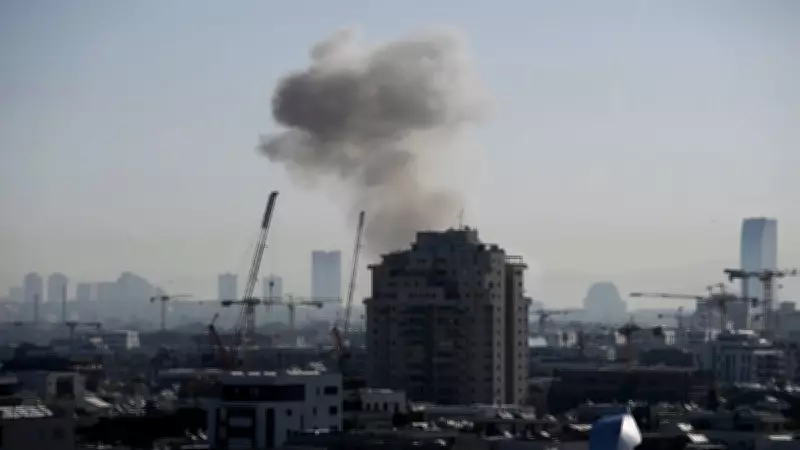
The announcement of the ceasefire proposal has elicited a wide spectrum of reactions from global powers and regional stakeholders. Key Western allies have expressed cautious optimism, viewing the plan as a potential pathway to stabilize the volatile situation. Conversely, some Middle Eastern nations have raised concerns about the plan's enforceability and its long-term implications for regional power dynamics. Visuals from the conflict zone continue to depict scenes of destruction and displacement, underscoring the urgent humanitarian need for a peaceful resolution.
Analysts note that the success of this initiative hinges significantly on the willingness of both Iran and Israel to engage in good-faith negotiations. Historical animosities and deep-seated geopolitical rivalries present substantial obstacles. The international community is closely monitoring developments, with many urging all parties to prioritize dialogue over military confrontation to prevent further escalation in West Asia.
Path Forward and Challenges to Implementation
Implementing the 15-point ceasefire plan faces numerous practical and political challenges. Logistical hurdles include the deployment of monitoring forces and the establishment of secure communication channels between the warring parties. Political resistance from hardline factions within both Iran and Israel could undermine the negotiation process, as could external interference from other state actors with vested interests in the region's instability.
Despite these challenges, the Trump administration's proposal represents a critical diplomatic effort to broker peace in one of the world's most conflict-prone regions. The coming weeks will be pivotal in determining whether this framework can translate into a sustainable ceasefire and pave the way for lasting peace, or if it will falter amid the complex realities of Middle Eastern geopolitics.






