

Pune's Overhead Cable Menace: A Tangled Web of Civic Neglect
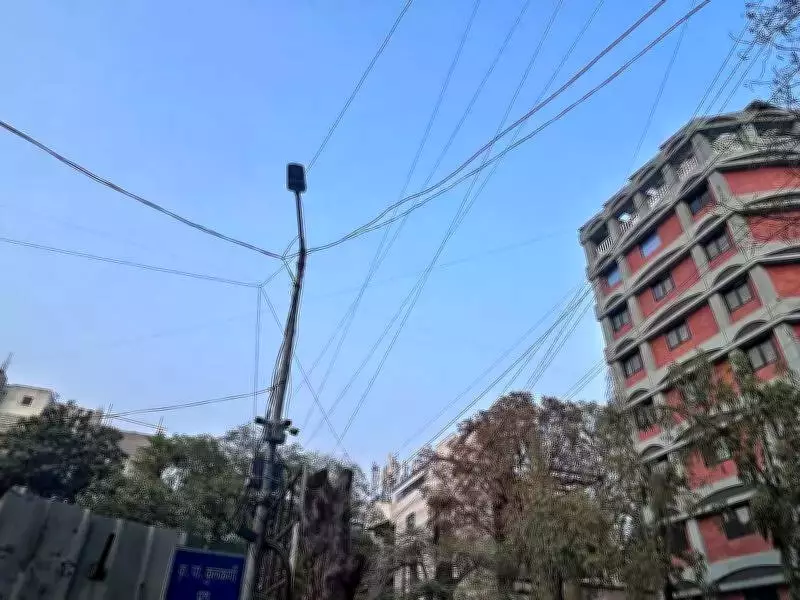
The Pune Municipal Corporation (PMC) is grappling with a severe and persistent urban crisis: the proliferation of illegal overhead cables across the city. Despite the clear violation of civic policies, enforcement has been shockingly lax, with only two First Information Reports (FIRs) filed since the beginning of January 2025. This minimal legal action highlights a systemic failure in addressing a problem that has grown into a significant public nuisance and safety hazard.
Enforcement Measures Prove Ineffective and Temporary
PMC officials have admitted that their primary enforcement strategy—cutting down the unauthorized cables—has provided only a fleeting solution. "Cutting these cables has been merely a temporary solution, as they would be reinstalled within a couple of days," revealed a senior PMC official. The administration faces a dual challenge: not only removing the cables but also disposing of the seized material. Consequently, piles of confiscated wires often end up dumped at various civic offices, creating an eyesore and logistical headache.
Compounding the issue is the anonymity of the offenders. "The administration has no option, but to file offences against unknown persons, as no one ever came forward to claim ownership," the official added. This lack of accountability has forced the PMC to register cases against unidentified individuals, severely hampering any meaningful prosecution or deterrence.

Massive Scale of the Problem: 7,500 km of Illegal Cables
A recent survey conducted by the civic body uncovered a staggering 7,500 kilometers of cables crisscrossing the PMC limits, all in direct contravention of municipal policy. These cables, primarily installed by private cellular companies, internet service providers, and television networks, create a chaotic web that mars the city's skyline and poses risks to pedestrians and infrastructure.
For over two years, the PMC has been urging these service providers to shift their overhead cables into designated underground ducts. However, progress has been dismal, with less than 10% of the cables successfully relocated underground. The primary obstacle appears to be financial. The administration charges approximately Rs 12,000 per running meter for the necessary digging and restoration work, a cost that telecom operators have been reluctant to bear.
PMC Aims for a Structured Solution with New SOP
In response to the escalating crisis, PMC Commissioner Naval Kishore Ram announced plans to develop a comprehensive Standard Operating Procedure (SOP). "The PMC planned to come up with a standard operating process for the overhead cable issue as well. All the key stakeholders would be involved in it. The future course of action would be decided based on such a SOP," Ram stated. This initiative aims to bring all relevant parties—including telecom companies, civic authorities, and citizen groups—to the table to forge a sustainable, long-term resolution.
Citizen Advocacy and Broader Infrastructure Challenges
Sanjay Shitole, a member of the citizens' group Pune City Eye, emphasized the need for pragmatic solutions. "Connectivity has become the need of the hour, so there was no option but to lay such cables. But the administration should come up with solutions like ducts or better planning of the cables," he argued. Shitole also urged the PMC to review previous policies drafted for the same purpose to avoid repeating past mistakes.
The overhead cable issue is part of a larger urban infrastructure dilemma. Civic data indicates that, on average, nearly 200 kilometers of roads are dug up annually for various utility services. This includes not only private telecom work but also projects by government and semi-government agencies such as the electricity department and piped gas suppliers. The cumulative impact is significant wear and tear on Pune's road network, further complicating the city's infrastructure management.

The PMC's struggle with illegal overhead cables underscores a critical gap between policy formulation and effective implementation. With a new SOP in the works and increased citizen scrutiny, there is hope for a more coordinated approach. However, without stricter enforcement, greater corporate cooperation, and innovative planning, Pune's tangled cable crisis is likely to persist, symbolizing the broader challenges of urban governance in rapidly developing Indian cities.





