

Punjab's Urban Crisis: Governance Gaps Threaten Sustainable Growth
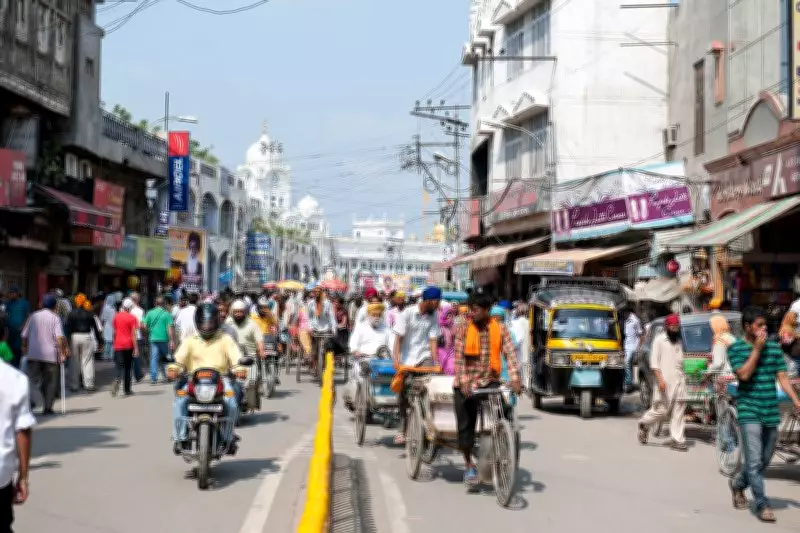
Punjab's urban landscape is undergoing a profound and critical transformation that is exposing significant governance deficiencies across multiple sectors. The state's urban transition has entered a decisive phase where expanding towns, rapidly increasing populations, and evolving consumption patterns are creating unprecedented pressure on urban infrastructure and systems.
The Demographic Shift: Urban Population Surge
Current data reveals that Punjab's urban population represents approximately 37-38% of the total state population. However, projections indicate this figure will approach nearly 47% by 2036, marking a substantial demographic shift toward urbanization. This rapid urban migration and population concentration is creating complex challenges that existing governance structures are ill-equipped to handle effectively.
Beyond Surface Problems: The Institutional Challenge
What often manifests as visible problems of garbage accumulation, water scarcity, and inadequate basic services actually represents a much deeper institutional crisis. Local municipal bodies and governance systems are struggling to keep pace with the speed and scale of urban transformation. The gap between urban growth and governance capacity has become increasingly apparent across multiple dimensions of urban management.

Critical Pressure Points in Urban Systems
Waste Management Crisis: Urban centers across Punjab are grappling with inefficient waste collection, processing, and disposal systems. The increasing volume of municipal solid waste, coupled with inadequate infrastructure, has created environmental and public health concerns that local bodies are finding difficult to address comprehensively.
Water Resource Strain: Water scarcity has emerged as a pressing concern as urban demand outpaces sustainable supply. Groundwater depletion, inefficient distribution networks, and contamination issues are compounding the challenge, revealing governance gaps in water resource management and conservation strategies.
Basic Service Deficiencies: From sanitation and drainage to public transportation and healthcare infrastructure, urban local bodies face mounting challenges in delivering essential services to growing populations. The institutional capacity to plan, implement, and maintain these services has not kept pace with urban expansion.
The Governance-Development Disconnect
The fundamental challenge lies in the disconnect between urban growth trajectories and governance frameworks. As towns expand and consumption patterns change, existing administrative structures and policy approaches are proving inadequate. This governance-development gap is creating systemic vulnerabilities that threaten both current urban functionality and future sustainable development prospects.
The situation demands urgent attention to institutional strengthening, policy innovation, and capacity building within urban governance systems. Without addressing these foundational governance gaps, Punjab risks compromising both the quality of urban life and the sustainability of its urban growth trajectory.






