Octopus: The Alien-Like Marvel of Earth's Oceans
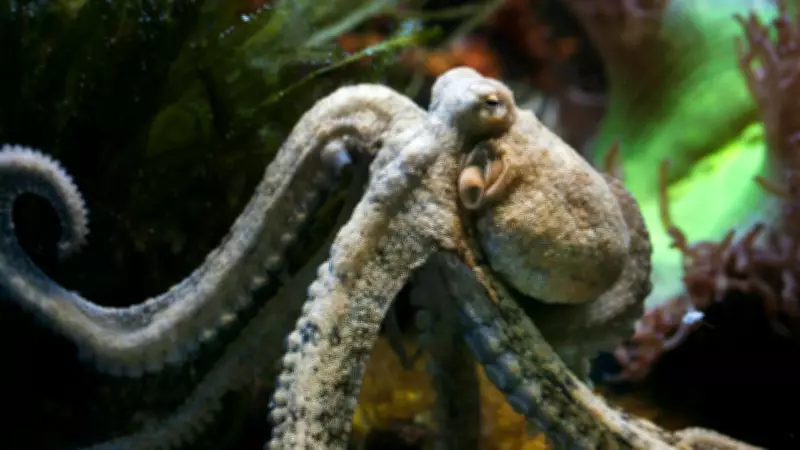
Marine life is filled with fascinating and unusual creatures, but few capture the imagination like the octopus. This animal appears almost alien, with its eight appendages, ability to change skin color, and surprising intelligence that continually astonishes scientists. Despite its otherworldly appearance, the octopus is a product of natural evolution on our planet, yet several peculiar features make it one of the most extraterrestrial-like beings on Earth.
Octopus Intelligence: A Decentralized Mind
The intelligence of the octopus is a key factor in its alien-like perception. Unlike humans, who have a centralized brain, the octopus operates with a decentralized nervous system. Remarkably, about half of an octopus's neurons are located in its arms, allowing for independent action. Research on defensive tool use in coconut-carrying octopuses confirms that more than half of the neurons reside in the arms, enabling complex activities without brain commands. This means each arm can explore, taste, and make decisions autonomously, leading to behaviors such as opening boxes, solving problems, and memorizing solutions.
Shape-Shifting and Camouflage Abilities
Another aspect that enhances the octopus's alien reputation is its extraordinary ability to alter appearance. According to studies on soft photonic skins, octopuses can quickly switch their skin color and texture for camouflage or communication. They can mimic objects like stones, coral reefs, or sand, and some species even imitate the behavior of other animals. This high level of body control is rare among living creatures, adding to their mysterious allure.

A Body That Defies Biological Norms
The octopus's physiology includes several unique traits that break conventional biological rules:
- Boneless Structure: With no bones, octopuses can squeeze into tiny crevices as small as a coin, combining flexibility with strength from their tentacles.
- Regeneration: They can regrow missing appendages within weeks after injury, a capability shared by only a select group of animals.
- Three Hearts and Blue Blood: Octopuses have three hearts and blue blood due to haemocyanin, a copper-based molecule, helping them survive hypoxic conditions in deep ocean depths.
Scientists continue to research the evolutionary origins of these traits, seeking to understand why the octopus diverges so significantly from its relatives. The term "alien-like" aptly describes this creature, as its characteristics challenge our understanding of intelligence, physiology, and behavior.