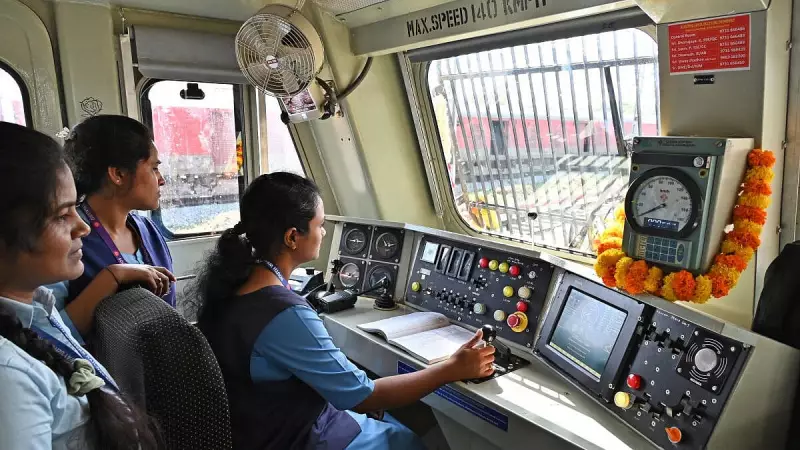
In the wake of recent controversies surrounding duty hours in the aviation sector, locomotive pilots operating India's vast railway network have intensified their long-standing demand for legally mandated work hour limits. The powerful All India Loco Running Staff Association (AILRSA) has highlighted that railway crews have been advocating for a scientifically designed working atmosphere for decades, a plea that has gained fresh urgency.
A Legacy of Unheeded Demands
The association pointed out that the issue of exhausting and irregular duty hours for loco pilots, also known as train drivers, is not new. For years, these critical personnel have operated trains without a robust regulatory framework governing their on-duty time, rest periods, and overall working conditions. The recent spotlight on pilot fatigue in airlines has served as a catalyst, bringing the similar, yet often overlooked, plight of railway running staff to the fore.
The core argument presented by the AILRSA is grounded in safety science. They emphasize that the role of a loco pilot involves immense concentration, quick decision-making, and the responsibility for hundreds of lives. Fatigue induced by long, unpredictable shifts directly compromises these abilities, posing a potential risk to railway safety. The association's demand is not merely for reduced hours but for a comprehensive, evidence-based policy that factors in human physiology and error rates.

The Call for Scientific Reform
The All India Loco Running Staff Association is now pressing the railway administration and the government to institute a transparent and fair system. This system would clearly define maximum continuous driving time, mandatory rest intervals between shifts, and adequate weekly offs. The model they seek is often compared to those followed in the aviation and long-haul trucking industries in other countries, where Fatigue Risk Management Systems (FRMS) are legally enforced.
The timing of this renewed push is significant. It comes against a backdrop of increased public and media scrutiny on transportation safety following incidents linked to crew fatigue in other sectors. The railway unions argue that if safety protocols based on human endurance are essential for airplanes, they are equally critical for the world's fourth-largest rail network, which carries over 8 billion passengers annually.
Implications and the Road Ahead
The demand, if accepted, would have far-reaching implications for Indian Railways' operational planning and staffing. It would necessitate hiring more loco pilots, optimizing crew scheduling, and potentially investing in better resting facilities at major stations. While this represents a logistical and financial challenge for the administration, the unions assert that the cost of ignoring the issue could be far greater in terms of safety lapses and human error.
As of 17 December 2025, the date the association's statements were widely reported, the ball is in the court of the railway authorities. The coming months will reveal whether the lessons from the "airline fiasco" will accelerate much-needed reforms for the men and women at the helm of India's locomotives, ensuring their well-being is aligned with the nation's transportation safety.