Railway Employee's Viral Instagram Reels Ignite National Debate on Professional Boundaries
In today's digital era, a single viral video can transform an ordinary workday into a nationwide conversation almost instantly. This exact scenario unfolded for Moni Nain, a dedicated railway employee stationed in Delhi, who unexpectedly found herself at the epicenter of a heated online debate concerning social media usage, professional conduct, and the unique expectations surrounding government employment positions.
Who Is Moni Nain? Understanding the Railway Employee Behind the Viral Content
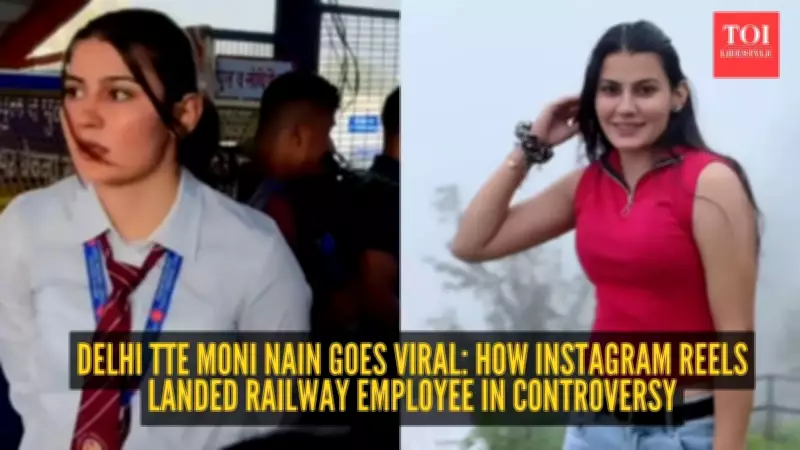
Moni Nain serves as a Travelling Ticket Examiner and Ticket Collector at the bustling New Delhi Railway Station. She originally secured her position with the Indian Railways through the organization's sports quota system. Like thousands of her colleagues across the country's extensive rail network, her daily responsibilities involve direct, face-to-face interactions with passengers, ensuring smooth ticketing operations and travel assistance.
Beyond her official railway duties, Moni cultivated a substantial online presence that eventually amassed over 3.6 lakh followers on Instagram. Her content portfolio featured short-form videos ranging from popular lip-sync reels to casual lifestyle snippets. Many of these clips prominently displayed her in official railway uniform, often filmed within railway premises, offering followers what appeared to be authentic glimpses into her daily work environment and routines.

The Turning Point: When Casual Content Sparked Serious Questions
The situation escalated dramatically when several of Moni's reels began circulating widely across social media platforms. As visibility increased, users started actively tagging railway authorities, demanding clarification about whether government employees should be permitted to create entertainment-focused content during official duty hours. What originated as seemingly casual personal content rapidly evolved into a broader societal question about appropriate workplace boundaries in the digital age.
This controversy highlights a significant distinction between private sector and public service expectations. While social media activity in corporate environments often goes unremarked provided work deliverables are met, government service carries stricter, more visible standards. Public offices represent not merely workplaces but taxpayer-funded service spaces, making employee conduct subject to heightened public scrutiny—a fundamental difference that became the debate's central theme.
Crossing Professional Lines? The Escalating Online Controversy
As the videos achieved viral status, online reactions grew increasingly polarized and intense. One camp argued that the reels clearly crossed professional boundaries, maintaining that official uniforms and public service spaces should not serve as backdrops for influencer-style content creation. Conversely, others viewed the situation as emblematic of a modern professional dilemma: how should employees balance personal expression through platforms like Instagram with their professional responsibilities in increasingly visible roles?
The controversy gained substantial momentum after a railway passenger advocacy group formally flagged the issue on social media platform X, directly tagging senior railway officials to request both clarification and appropriate administrative action regarding the matter.
Official Response and Directive from Railway Authorities
The Delhi Division Railway Manager promptly issued a public response to the growing controversy. Railway officials confirmed that Moni Nain had received a formal, strict warning instructing her to refrain from filming or uploading reels while performing official duties. She was further directed to delete any existing videos recorded during working hours from her social media profiles.
Following this official directive, Moni complied by removing work-related reels from her Instagram profile. Her recent posts now predominantly feature personal content including travel clips, outdoor updates, and general lifestyle moments—signaling a deliberate shift away from blending her professional railway identity with her online influencer persona.

Broader Implications: Government Employees in the Social Media Spotlight
While the immediate controversy has been addressed through official channels, the underlying discussion continues to resonate. This episode has opened a wider conversation about government employees navigating social media fame in an era where smartphones empower everyone to become potential content creators. For public servants specifically, the rules governing personal expression remain notably more complex and restrictive than for private citizens.
Moni Nain's viral moment serves as a powerful contemporary reminder of how extraordinarily thin the line can be between achieving online virality and facing intense professional scrutiny in today's hyper-connected digital landscape.