

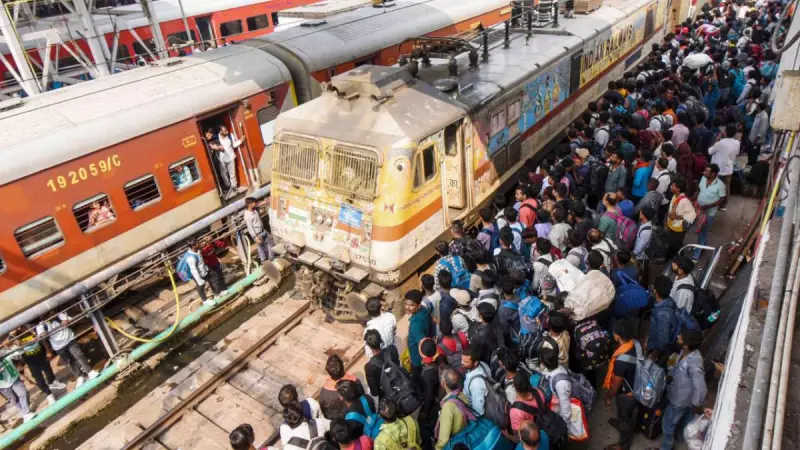
In a swift response to a major travel disruption, Indian Railways has significantly augmented its capacity to accommodate stranded air passengers. The move comes after budget carrier IndiGo was forced to cancel a substantial number of flights, creating an urgent need for alternative travel options across the country.
Railways' Proactive Measures to Ease Travel Woes
To manage the unexpected surge in passenger demand, the national transporter has taken decisive action. A total of 116 additional coaches have been attached to 37 different trains operating on key routes. This expansion is specifically targeted at corridors experiencing the highest pressure due to the sudden grounding of flights.
The initiative, rolled out on December 6, 2025, demonstrates the system's agility in crisis management. Railway authorities closely monitored booking patterns and waitlist trends following the airline's announcement. Identifying the most affected routes, they orchestrated a rapid deployment of extra coaches to prevent a complete travel gridlock for thousands of citizens.

Focus on High-Demand Routes and Passenger Convenience
The capacity enhancement is not random but a calculated effort to serve the greatest need. The additional coaches have been prioritized for trains connecting major metropolitan hubs and business centers. This includes popular routes like Delhi-Mumbai, Delhi-Kolkata, Delhi-Chennai, and Mumbai-Chennai, among others.
By boosting capacity on these trunk routes, Railways aims to absorb a significant portion of the displaced air travelers. The step is expected to clear long waitlists and provide confirmed tickets to those in urgent need of travel. Officials have also instructed concerned zones and divisions to ensure proper maintenance and catering facilities for the augmented trains, maintaining service quality despite the increased load.
Broader Impact and Seamless Coordination
This incident highlights the critical role of Indian Railways as the backbone of the nation's transport infrastructure, especially during emergencies. The seamless coordination between different railway zones to implement this plan within a short timeframe has been commendable. It underscores the department's preparedness and its ability to function as a reliable alternative when other transport modes face challenges.
For passengers, this intervention means relief from uncertainty and exorbitant last-minute airfares that often spike during such disruptions. The railway's response not only addresses immediate logistical challenges but also provides economic relief to travelers. It serves as a reminder of the importance of having a robust, multi-modal transport network where different systems can complement each other in times of crisis, ensuring the nation's mobility remains uninterrupted.






