Rajasthan's Solar Success Demands Grid Modernization
Jaipur: Rajasthan, which proudly holds the title of India's largest producer of solar power, is now embarking on a critical mission to fundamentally transform its electricity distribution infrastructure. This ambitious overhaul comes as the state experiences rapid growth in decentralized renewable energy projects, particularly through government initiatives like the PM-Kusum scheme and the expansion of rooftop solar installations.
ADB Report Highlights Urgent Grid Challenges
A comprehensive concept report prepared by consultants from the Asian Development Bank (ADB) has issued a stark warning. The document cautions that Rajasthan's already burdened distribution system is confronting serious technical and operational hurdles as rooftop and feeder-level solar installations multiply under programs such as PM-Kusum and the PM Surya Ghar: Muft Bijli Yojana.
In a significant development on Tuesday, senior officials from the ADB convened with top executives from Rajasthan's energy department. The meeting aimed to formulate a strategic blueprint for revamping the state's grid network. The primary objective is to seamlessly accommodate the surge in decentralized renewable energy projects without causing disruptions to the power supply.

Fundamental Shift in Power Flow Dynamics
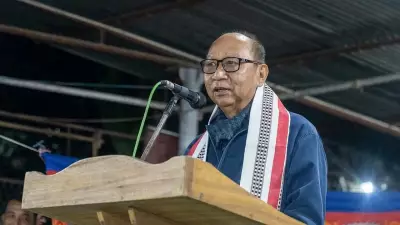
Ajitabh Sharma, the Additional Chief Secretary (Energy) for Rajasthan, provided crucial insights into the core challenge. "Rajasthan's distribution grid was originally engineered for a one-way power flow, moving exclusively from substations to end consumers," Sharma explained. "However, with solar power increasingly being fed back into the system during daylight hours, the fundamental rules governing our grid are undergoing a dramatic transformation."
Sharma elaborated on the specific technical issues that dominated the discussions. "Key concerns we are addressing include mitigating midday over-voltage problems on both rural and urban feeders, resolving frequent inverter tripping incidents, managing increased harmonics that adversely affect sensitive equipment, and tackling the reduced effectiveness of conventional protection systems. This last issue stems from the lower fault currents generated by inverter-based solar power systems."
Embracing Digital Solutions and Advanced Management
Emphasizing the imperative need for sophisticated monitoring, control, and optimization of decentralized energy assets, Sharma revealed the state's forward-thinking approach. "We are actively evaluating the deployment of specialized software platforms, such as Distributed Energy Resource Management Systems (DERMS), to manage this new energy landscape effectively."
The ADB report outlines a detailed, multi-pronged roadmap focused on three critical pillars: digitalization, automation, and enhanced grid flexibility. A central component of this strategy involves establishing advanced Distribution Control Centres (DCCs). These centres would be equipped with state-of-the-art distribution management systems designed to provide real-time, comprehensive visibility of feeders, transformers, and all decentralized generators across the network.
The Crucial Role of Energy Storage
The report underscores that energy storage will play a pivotal role in Rajasthan's energy future. Projections indicate that by the year 2030, the state will require nearly 7,000 million units of storage capacity to effectively balance its solar-heavy generation profile and ensure grid stability.
At the distribution level, the integration of Battery Energy Storage Systems (BESS) at substations is seen as a vital solution. These systems can absorb surplus solar power generated during the daytime and reliably supply electricity during the evening peak demand hours. This approach is expected to significantly reduce renewable energy curtailment and alleviate stress on the overall grid infrastructure.
Comprehensive Strategy for a Sustainable Future
Beyond storage, the report advocates for a holistic set of measures to future-proof Rajasthan's power system. These include:

- Implementing tighter and more accurate forecasting of solar power generation.
- Launching demand-response programs to incentivize consumers to shift their electricity consumption to daylight hours when solar generation is at its peak.
- Developing proactive strategies to manage the anticipated growing electrical load from the widespread adoption of electric vehicles (EVs).
This comprehensive plan marks a decisive step for Rajasthan as it transitions from a traditional power consumer to a leading prosumer state, setting a benchmark for grid modernization in India's renewable energy journey.