

The Rajasthan government has unveiled a massive Rs 700 crore digital transformation plan for its electricity infrastructure. This ambitious initiative aims to overhaul power generation, transmission, and distribution across the state with cutting-edge technology.
Digital Blueprint for a Viksit Rajasthan
Energy Minister Heelalal Nagar outlined the plan at a vendor meet in Jaipur, stating the investment is focused on aligning the power sector with the state's long-term Viksit Rajasthan 2047 vision. This vision prioritises providing reliable, affordable, and sustainable electricity to all citizens. The government is preparing to issue final tenders for the project.
The comprehensive digital toolkit includes several key components:

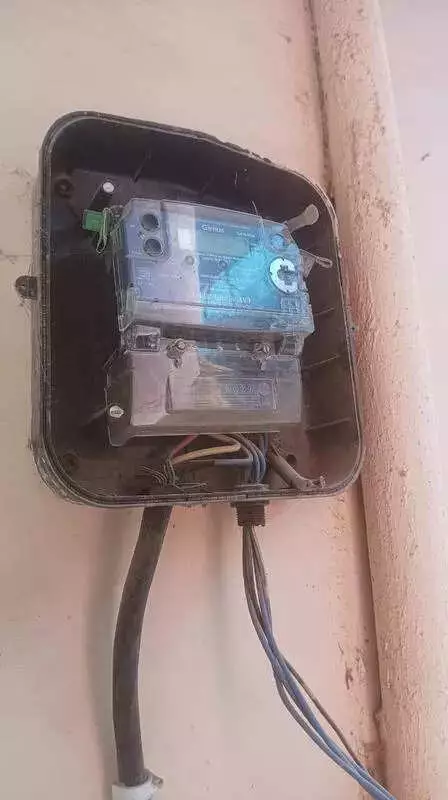
- Advanced Metering Infrastructure (AMI): Commonly known as smart meters.
- GIS-Based Asset Mapping: For the entire distribution network.
- Enterprise Resource Planning (ERP) Systems.
- AI-Driven Analytics for improved decision-making.
Tackling Losses and Enabling a Green Future
Officials acknowledged that high Aggregate Technical and Commercial (AT&C) losses and financial stress on distribution companies (discoms) are persistent challenges. However, Principal Secretary (Energy) Ajitabh Sharma reported that digitalisation is already showing positive results.
"Digitalisation has already started yielding results, with a targeted reduction in AT&C losses across all three discoms in FY25," Sharma said. He highlighted that Jodhpur discom recorded the sharpest improvement, signalling a system-wide move towards better operational efficiency and revenue protection.
Rajasthan is already a leader in renewable energy, with an installed capacity of nearly 59,000 MW, of which over 43,000 MW comes from green sources. Sharma emphasised that these new digital initiatives are expected to be crucial for integrating large-scale renewable energy, battery storage systems, and future electric vehicle charging infrastructure.
Direct Benefits for Consumers and Operations
The rollout of smart meters is poised to bring significant changes. Consumers can expect more accurate billing and tools to manage their electricity usage better. For the utilities, these meters will improve demand forecasting.
Meanwhile, the GIS mapping project, which will cover substations, feeders, transformers, and consumers, is designed to enhance outage management and allow for proactive preventive maintenance, leading to fewer and shorter power disruptions.
As the state gears up to float tenders for these technological projects starting in early 2026, industry participants were invited to contribute case studies and innovative suggestions to refine the bid structures. This collaborative approach aims to ensure the successful deployment of this Rs 700 crore digital leap for Rajasthan's power sector.






