Smaller Indian Cities Surpass Metros in Quality of Life: Economic Survey 2025-26
For years, major metropolitan centers like Delhi and Bengaluru have been widely regarded as India's premier destinations for living and working. However, a significant shift is underway, as highlighted by the latest Economic Survey 2025–26. The report indicates that smaller cities are increasingly providing a more comfortable and efficient lifestyle for residents, challenging the dominance of traditional urban giants.
Ease of Living Index 2025: Top Performers Revealed
The Ease of Living Index 2025, compiled by the Ministry of Housing and Urban Affairs, identifies the cities offering the most favorable living conditions. According to the index, the top-ranking cities are:
- Pune
- Navi Mumbai
- Greater Mumbai
- Tirupati
- Chandigarh
- Thane
- Raipur
- Indore
- Vijayawada
- Bhopal
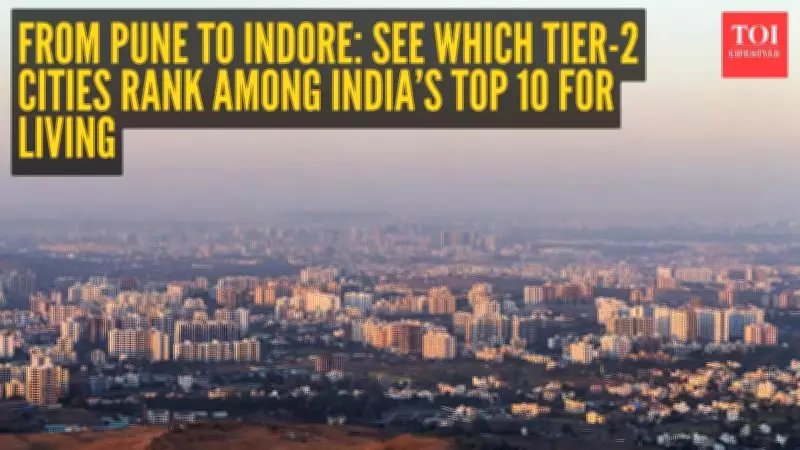
Notably, most of these are Tier-2 or emerging urban centers. They combine essential amenities such as employment opportunities and basic infrastructure with significantly lower population density compared to larger metros. This blend results in a markedly improved daily experience for inhabitants.

Key Factors Driving Livability
The index evaluates cities based on practical, everyday needs rather than economic wealth alone. As per a Financial Express report, it assesses critical parameters including:
- Educational institutions
- Healthcare facilities
- Water supply systems
- Sanitation and toilet access
- Waste management services
- Public transportation networks
- Safety and security measures
- Availability of parks and green spaces
In essence, the index measures how seamlessly residents can navigate their daily routines within a city's framework.
Advantages of Smaller Urban Centers
Smaller cities possess inherent advantages that enhance livability. Their manageable scale allows for:
- Less congested roads and public services
- More responsive municipal administration
- Faster service delivery from city offices
Consequently, residents spend less time trapped in traffic jams or waiting for bureaucratic processes, leading to reduced stress and higher productivity.
Government Reforms Enhancing Urban Life
The government has implemented several reforms to simplify urban living. The Jan Vishwas Act, for instance, has eliminated criminal penalties for minor infractions under certain laws, making interactions with authorities less daunting. Additionally, a dedicated task force is working to streamline regulations related to land, construction, and utilities, accelerating approval processes.
Digital and Infrastructure Initiatives
Technological advancements and infrastructure projects are further boosting the appeal of smaller cities. Digital land records and property identifiers are minimizing legal disputes, while flagship programs like:
- Smart Cities Mission
- Jal Jeevan Mission
- PMGSY (Pradhan Mantri Gram Sadak Yojana) roads
are enhancing water supply, road connectivity, educational institutions, hospitals, and market access. Housing schemes under PMAY (Pradhan Mantri Awas Yojana) are also ensuring affordable homes equipped with basic amenities, contributing to overall urban well-being.
This comprehensive approach underscores why smaller Indian cities are rapidly emerging as preferred hubs for a balanced and hassle-free lifestyle.