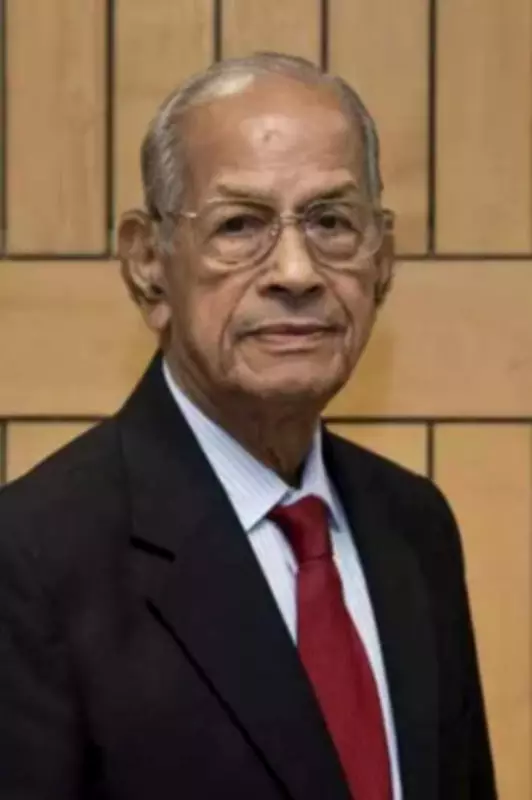
Metroman Sreedharan Dismisses Kerala's RRTS as Unworkable, Urges High-Speed Rail Implementation
In a sharp critique from his residence in Ponnani, Kozhikode, veteran engineer and Metroman E Sreedharan has declared the regional rapid transit system (RRTS) proposed by the Kerala state government as not workable and incapable of replacing the high-speed rail corridor he previously advocated for the state. Addressing the media, Sreedharan labeled the government's recent announcement about the RRTS project as an election stunt, suggesting that misleading advice has led to this decision.
Technical Flaws and Speed Limitations Exposed
Sreedharan elaborated on the technical shortcomings, stating that the RRTS would achieve an average commercial speed of only 70-75 km/hr, which he deemed insufficient for statewide connectivity. In contrast, he highlighted that a high-speed rail system, accounting for stoppages, braking, and acceleration, could maintain an average speed of 135 km/hr. "It is a simple waste. The average speed for RRTS would be low and any knowledgeable person would say that it is a foolish venture," he asserted, emphasizing that RRTS is designed for suburban commutes over 60-70km distances, not for linking the entire state.
High-Speed Rail Proposal and Government Inaction
The Metroman revealed that he had approached the Central government with a high-speed rail project after the state government failed to act on his proposals. Despite discussions with the chief minister and top officials over ten months ago, he noted that the state did not convey willingness or prepare a Detailed Project Report (DPR). "I went to see the Union railway minister recently as the budget is about to be tabled and if the high-speed rail project is not taken up now, it won't become a reality," Sreedharan added, underscoring the urgency of the matter.

Cost and Implementation Strategy
Sreedharan proposed that the DPR for the high-speed rail project could be prepared for Rs 12-13 crore and suggested that the Delhi Metro Rail Corporation (DMRC) handle it, citing their experience with similar railway projects. He estimated that DMRC could complete the DPR within nine months, and assured that full project details would be shared publicly to address any concerns before DPR preparation begins.
Benefits and Final Warnings
Advocating for high-speed rail, Sreedharan outlined its potential benefits:
- Saving time for commuters
- Decongesting highways
- Providing faster connectivity across Kerala