Tasmac's Empty Liquor Bottle Buy-Back Scheme Set for Chennai Implementation This Week
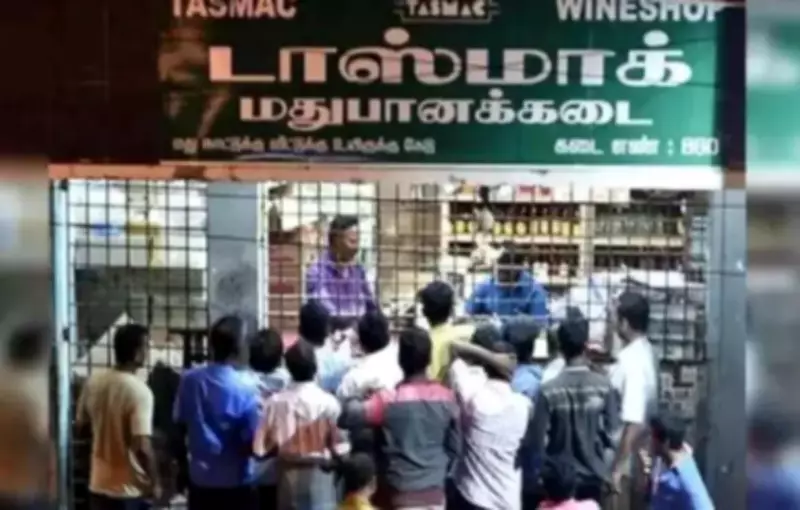
The Tamil Nadu State Marketing Corporation (Tasmac) is preparing to roll out its controversial empty liquor bottle buy-back scheme in Chennai this week, following a temporary suspension due to protests by workers. The initiative, which had been put on hold after employees closed shops and gathered at depots in opposition, will now proceed with a more structured approach.
Phased Implementation to Avoid Previous Confusion
Tasmac officials have confirmed that the scheme will be implemented in a phased manner across North, Central, and South Chennai districts within the coming week. This decision comes after an earlier attempt to launch the program simultaneously across all three districts resulted in operational confusion and logistical challenges.
"Last time, we attempted implementation in North, Central and South Chennai districts in one go, which led to confusion. This time, we would go in a phased manner and cover all three districts in a week," explained a Tasmac official. The corporation aims to complete the implementation before the second week of the month, aligning with the Madras High Court's directive to file a status report by the end of February.

Scheme Details and Statewide Implementation
The buy-back scheme operates by collecting an additional 10 rupees from customers per liquor bottle purchase, which is then reimbursed when the empty bottle is returned. Originally introduced in hill stations to prevent animals, particularly elephants, from sustaining injuries by stepping on discarded bottles, the program has since been extended to all districts across Tamil Nadu.
Tasmac has already successfully implemented the scheme throughout the state, but its introduction in Chennai faced significant resistance from workers who expressed concerns about inadequate facilities and increased workload burdens.
Workers' Concerns and Union Opposition
Employees have consistently voiced their opposition to the scheme, citing a lack of proper infrastructure and the overburdening of existing staff. The workers have demanded the engagement of a separate agency specifically dedicated to managing the empty bottle collection and reimbursement process.
Dhanasekaran, general secretary of the AICTE-affiliated Tasmac workers' union, emphasized that the workers' demands remain unchanged. "Workers' demands remained the same, and it was impossible to implement the scheme through the existing workforce," he stated, highlighting the ongoing concerns about operational feasibility without additional support systems.
Background and Purpose of the Initiative
The empty liquor bottle buy-back scheme represents an environmental and safety initiative designed to address multiple concerns:
- Preventing wildlife injuries from broken glass in natural habitats
- Reducing litter and environmental pollution from discarded bottles
- Encouraging responsible disposal through financial incentives
- Creating a systematic approach to bottle recycling and management
Despite the noble intentions behind the program, its implementation has revealed significant operational challenges, particularly in urban centers like Chennai where Tasmac outlets experience high customer volumes and existing staff already manage substantial workloads.
The coming week will test whether the phased implementation approach can successfully address the concerns raised by workers while achieving the environmental and safety objectives that motivated the scheme's creation. All eyes will be on Chennai's Tasmac outlets as they attempt to balance operational efficiency with worker welfare in this unique recycling initiative.