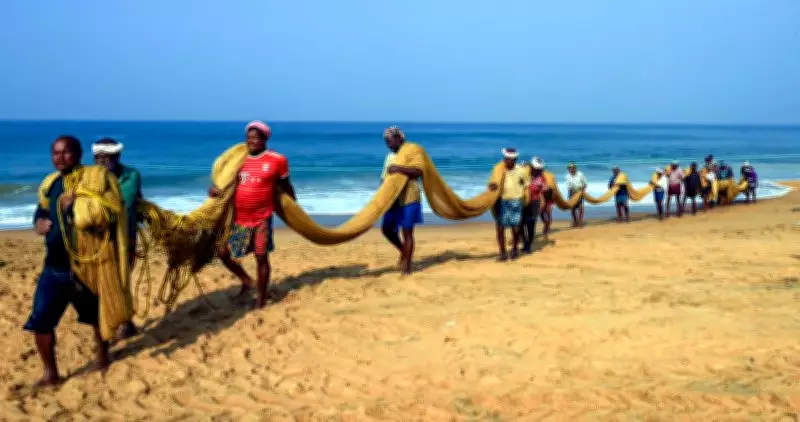
In the grand theater of policy-making, the voices of the most affected often remain unheard. This is particularly true for the fisherman, whose daily struggles and deep understanding of marine ecosystems are rarely considered in decisions that shape their lives. The article 'Nobody Asked the Fisherman' from The Tribune highlights this glaring oversight.
The Disconnect Between Policy and Reality
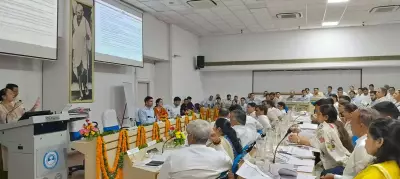
Policymakers, seated in air-conditioned offices, craft regulations based on data and models that may not reflect ground realities. The fisherman, who navigates the unpredictable sea, knows the nuances of weather patterns, fish migration, and sustainable practices. Yet, his expertise is seldom sought. This disconnect leads to policies that fail to protect livelihoods or marine biodiversity.
Case in Point: Recent Fishing Bans
Consider the recent fishing bans imposed to conserve fish stocks. While the intention is noble, the implementation often ignores the seasonal cycles and economic dependencies of fishing communities. Fishermen are left with no alternative income, pushing them into illegal fishing or deeper poverty. A participatory approach, where fishermen are consulted, could yield more effective and equitable solutions.

The Importance of Local Knowledge
Local knowledge is not just anecdotal; it is a repository of generations of experience. Fishermen can identify early signs of environmental change, such as shifting fish populations or water pollution. Integrating this knowledge with scientific research can lead to more robust environmental policies.
Empowering Communities
Empowering fishermen means giving them a seat at the decision-making table. This involves not only consultation but also capacity building, so they can articulate their needs in policy forums. Community-led initiatives, such as co-management of fisheries, have shown success in various parts of the world.
A Call for Inclusive Governance
The article underscores the need for a paradigm shift in governance. Policymakers must step out of their silos and engage with those who live on the frontlines of environmental and economic change. Only then can we craft policies that are both sustainable and just.
In conclusion, the fisherman's voice is a vital missing piece in the policy puzzle. By listening to him, we not only honor his knowledge but also pave the way for more effective and inclusive governance. The next time a policy is drafted, let us ask: has anyone asked the fisherman?