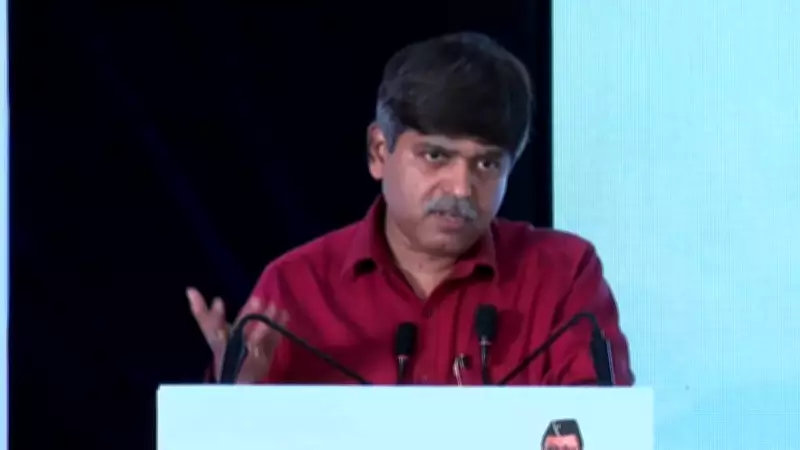
Uttarakhand's Ambitious 2047 Vision Unveiled at Transformation Dialogues
In a significant development for India's Himalayan state, Dr. R. Meenakshi Sundaram presented a comprehensive reform roadmap aimed at transforming Uttarakhand by 2047. The detailed outline was shared during the Uttarakhand Transformation Dialogues 2026, held on February 27, 2026, marking a pivotal moment in the state's long-term planning.
Strategic Framework for Sustainable Growth
Dr. Sundaram emphasized that the vision for 2047 is built on a multi-pronged approach focusing on sustainable development, economic diversification, and enhanced governance. The plan seeks to leverage Uttarakhand's unique geographical and cultural assets while addressing challenges such as infrastructure gaps and environmental conservation.
"Our goal is to create a resilient and prosperous Uttarakhand that serves as a model for hill-state development across India," Dr. Sundaram stated during the dialogues. The roadmap includes specific initiatives in areas like tourism, agriculture, and renewable energy, designed to boost local livelihoods and reduce dependency on traditional sectors.

Key Pillars of the Transformation Plan
The reform agenda outlined by Dr. Sundaram is structured around several core pillars:
- Infrastructure Modernization: Upgrading transportation networks, including roads and digital connectivity, to improve accessibility and economic integration.
- Environmental Sustainability: Implementing green policies to protect Uttarakhand's fragile ecosystems while promoting eco-tourism and clean energy projects.
- Skill Development and Education: Enhancing vocational training and educational institutions to prepare the youth for future job markets and entrepreneurial opportunities.
- Healthcare Advancement: Strengthening medical facilities and public health systems to ensure better outcomes for residents across urban and rural areas.
Aligning with National and Global Goals
Dr. Sundaram highlighted that Uttarakhand's 2047 vision is aligned with broader national objectives, such as India's sustainable development goals and economic growth targets. The plan also considers global trends, including climate change mitigation and technological innovation, to position the state competitively on the international stage.
"By 2047, we envision Uttarakhand not just as a tourist destination, but as a hub for innovation and sustainable living," he added. The dialogues involved stakeholders from government, academia, and industry, fostering collaborative efforts to implement the roadmap effectively.
Challenges and Implementation Strategy
While the vision is ambitious, Dr. Sundaram acknowledged potential hurdles, such as funding constraints and logistical issues in remote areas. To address these, the roadmap proposes phased implementation, starting with pilot projects and leveraging public-private partnerships. Regular monitoring and community engagement are also emphasized to ensure transparency and adaptability.
The Uttarakhand Transformation Dialogues 2026 have set the stage for a transformative journey, with Dr. Sundaram's outline providing a clear direction for policymakers and citizens alike. As the state moves forward, this roadmap could serve as a blueprint for other regions aiming for holistic development by mid-century.