Vibrant Villages Programme Yields Positive Results with Reverse Migration in Border Areas
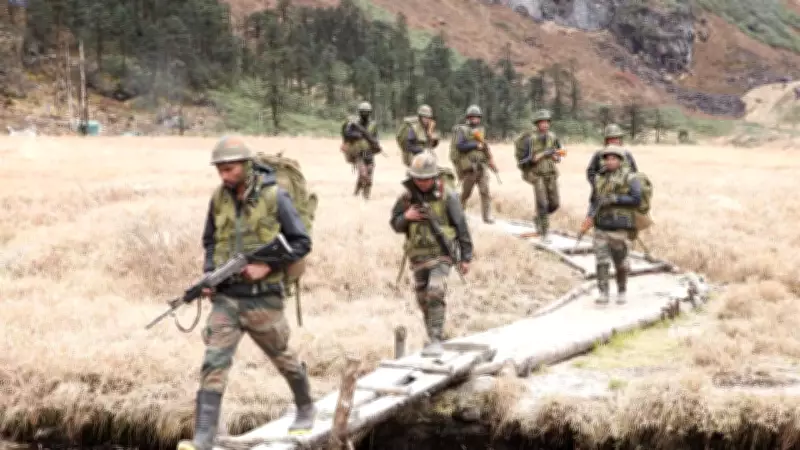
In a significant development highlighting the effectiveness of India's border development initiatives, the Union Home Ministry informed the Lok Sabha on Tuesday that the Vibrant Villages Programme (VVP) has begun showing tangible outcomes. Most notably, at least three villages in Arunachal Pradesh have reported reverse migration, with residents returning to their homes in border districts.
Arunachal Pradesh Leads in VVP Implementation and Benefits
Junior Home Minister Nityanand Rai shared detailed information about the programme's progress. While no formal impact assessment has been conducted yet, the state government of Arunachal Pradesh has confirmed that people are returning to villages in the border districts of Kurung Kumey, Dibang Valley, and Shi-Yomi. This reverse migration trend represents a crucial achievement for the programme, which aims to prevent outmigration from border areas.
The financial allocation under VVP's first phase has been substantial, with projects worth Rs 3,431 crore sanctioned by the Ministry of Home Affairs. Arunachal Pradesh received the largest share of this funding, amounting to Rs 2,750 crore for a total of 2,082 development projects. This significant investment has facilitated numerous activities across border states.

Comprehensive Development Activities Under VVP-I
The implementation of VVP-I has involved a wide range of developmental and community engagement activities, including:
- Awareness drives and service delivery camps
- Training and capacity building initiatives
- Health and veterinary camps
- Fairs, festivals, and tourism promotion activities
Across the five states covered in the first phase, more than 8,500 such activities were undertaken, with Arunachal Pradesh leading at 2,966 activities, followed by Ladakh (2,221), Uttarakhand (1,836), Himachal Pradesh (1,016), and Sikkim (530).
Objectives and Expansion of the Vibrant Villages Programme
The primary objectives of the Vibrant Villages Programme are comprehensive and strategic:
- Creating better living conditions and adequate livelihood opportunities in border villages
- Ensuring prosperous and secure borders through development initiatives
- Controlling trans-border crime through enhanced community engagement
- Assimilating border populations with the nation and developing them as 'eyes and ears of the border guarding forces' for internal security
The development and connectivity boost provided by VVP is essentially designed to prevent outmigration by residents of border villages, making the reported reverse migration in Arunachal Pradesh particularly significant.
VVP-II Approved with Expanded Coverage and Funding
Building on the initial success, the government has approved VVP-II on April 2, 2025, for the comprehensive development of 1,954 identified villages abutting international borders. This expanded phase will cover villages across:
- 15 states: Arunachal Pradesh, Assam, Bihar, Gujarat, Jammu & Kashmir, Manipur, Meghalaya, Mizoram, Nagaland, Punjab, Rajasthan, Sikkim, Tripura, Uttarakhand, Uttar Pradesh, and West Bengal
- 2 Union Territories: Ladakh
An outlay of Rs 6,839 crore has been approved for VVP-II until 2028-29, representing a substantial increase in funding and geographical coverage compared to the first phase. This expansion demonstrates the government's commitment to strengthening border communities and enhancing security through sustainable development.
The Vibrant Villages Programme represents a strategic approach to border area development, combining infrastructure improvement with community engagement to create sustainable ecosystems in regions crucial for national security. The reported reverse migration in Arunachal Pradesh suggests that these efforts are beginning to yield the desired results, potentially serving as a model for other border regions across India.