Karnataka Officials Deploy Water Injection Technique to Revive Groundwater in Athani
In a proactive move to address the critical issue of groundwater depletion, officials in Karnataka's Athani region have initiated a water 'injection' project. This innovative approach aims to artificially recharge aquifers by introducing external water sources directly into the underground layers, potentially offering a sustainable solution to the area's water scarcity challenges.
Managed Aquifer Recharge: A Proven Technology for Groundwater Restoration
Experts highlight that the technique being employed is known as Managed Aquifer Recharge (MAR), a well-tested and scientifically validated method for replenishing groundwater reserves. MAR operates by injecting various water types—such as stormwater runoff, treated wastewater, or surplus surface water—into aquifers. This process not only helps in restoring the water table but also ensures that the stored water is available for future use during dry periods or droughts.
The implementation in Athani involves careful planning and monitoring to ensure that the injected water is of suitable quality and does not contaminate the existing groundwater. By utilizing stormwater and treated wastewater, the project also promotes water recycling, aligning with broader environmental sustainability goals.

Addressing Groundwater Depletion in Karnataka
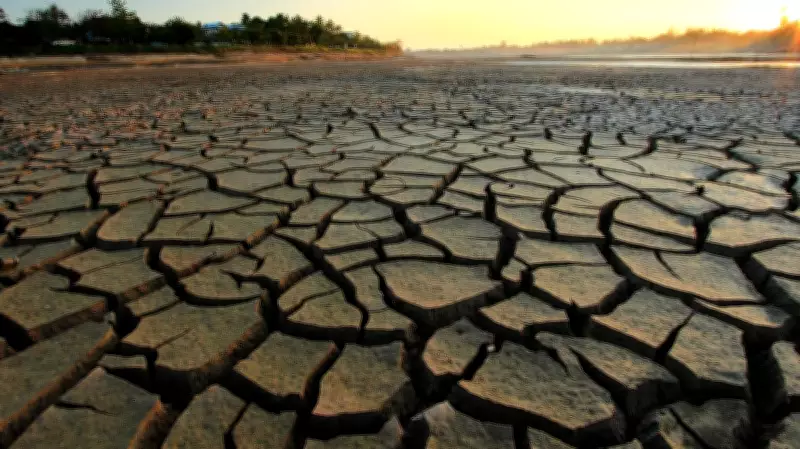
Groundwater table depletion has been a persistent concern in many parts of Karnataka, including Athani, due to factors like over-extraction for agriculture, industrial use, and climate variability. The water injection initiative represents a strategic effort by local authorities to mitigate these effects and enhance water security for the community.
If successful, this project could serve as a model for other regions in Karnataka and across India facing similar groundwater challenges. It underscores the importance of adopting advanced technologies and management practices to combat water scarcity and ensure long-term resource availability.
As the project progresses, officials will continue to assess its impact on the groundwater table, with hopes of seeing measurable improvements in water levels and quality. This endeavor reflects a growing recognition of the need for innovative solutions in water resource management, particularly in areas vulnerable to depletion and drought.