

Woman Declared Dead in Aadhaar Records, Loses Welfare Benefits in Hosapete
In a shocking case of administrative negligence, a woman from Hosapete in Karnataka's Vijayanagara district is struggling to prove she is alive after being officially recorded as 'deceased' in Aadhaar-linked government records. This error has abruptly severed her access to critical welfare benefits, leaving her in a bureaucratic nightmare for over a year.
Administrative Error Erases Woman from Government Databases
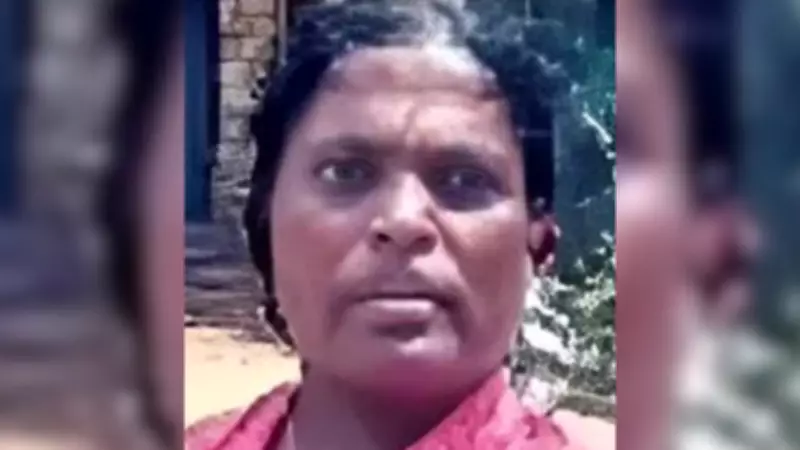
N Hampamma, a 44-year-old resident of Dharmasagar village in Hosapete taluk, was wrongly declared dead after her Aadhaar details were mistakenly linked to the death record of another woman from the same locality who shared her name. According to officials and local accounts, the other woman died at the age of 48 in 2024. During the registration of this death, authorities allegedly failed to verify identity details properly, leading to Hampamma's Aadhaar number being incorrectly tagged to the deceased person's record.
This administrative blunder has effectively erased Hampamma from government databases, causing severe disruptions to her daily life and financial stability. She now faces an uphill battle to correct the mistake and restore her legal status as a living citizen.

Welfare Benefits Halted, Causing Financial Hardship
The consequences of this error have been devastating for Hampamma. All welfare benefits linked to her Aadhaar have been abruptly halted, including:
- Financial assistance under the Gruhalakshmi scheme
- Ration supplies and other essential entitlements
- Eligibility for housing and agricultural schemes
"As a result, all welfare benefits linked to my Aadhaar have been halted, including financial assistance under the Gruhalakshmi scheme, ration supplies and other entitlements. My eligibility for housing and agricultural schemes has also been affected," Hampamma stated, highlighting the widespread impact of this single administrative mistake.
Year-Long Struggle with Bureaucratic Inefficiency
Hampamma has been running from pillar to post for over a year to get this critical error corrected, but her efforts have yielded little result. She reports that officials have provided only vague assurances with no concrete resolution in sight. This prolonged bureaucratic delay has compounded her difficulties, leaving her without essential support systems during a time of need.
The case underscores broader concerns about the reliability of Aadhaar-linked systems and the potential for human error in government record-keeping. It raises questions about verification protocols during death registrations and the mechanisms available for citizens to correct such grave mistakes promptly.
As Hampamma continues her fight for recognition, her story serves as a cautionary tale about the real-world consequences of administrative oversights in digital governance systems. The resolution of her case remains pending, with hopes that authorities will act swiftly to restore her rightful status and benefits.

