

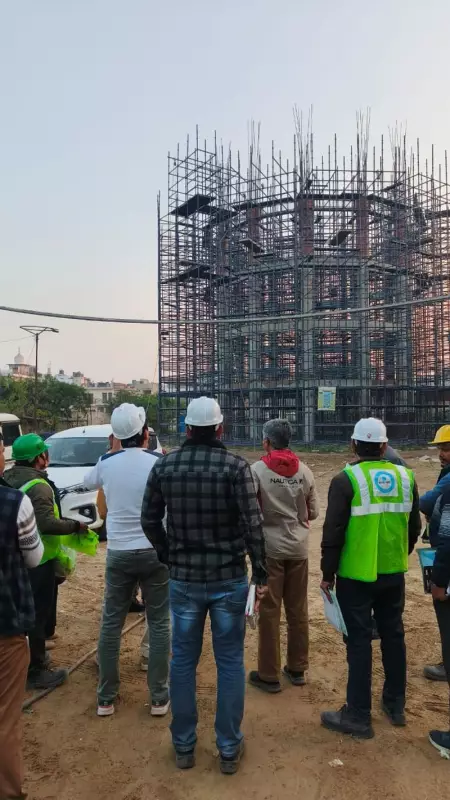
Senior officials from the World Bank recently conducted a crucial review of the ambitious water supply project underway in Ludhiana, Punjab. The high-level meeting, held at the Municipal Corporation's Zone-D office, focused on assessing the progress and ironing out challenges related to this massive infrastructure initiative aimed at transforming the city's water distribution system.
Project Overview and Key Discussions
The project, with an estimated cost of ₹650 crore, is designed to provide a sustainable and reliable water supply to Ludhiana's residents. A central goal is to ensure 24x7 clean drinking water across the city, addressing long-standing issues of scarcity and uneven distribution. The review meeting was chaired by MC Commissioner Sandeep Rishi, who provided the World Bank team with a comprehensive update on the current status of the works.
Discussions during the meeting were extensive and covered several critical aspects. Officials delved into the detailed project report (DPR), scrutinizing the engineering plans and implementation strategy. A significant portion of the dialogue revolved around the financial framework and funding arrangements, ensuring the project remains on a solid fiscal footing. The World Bank team sought clarifications on various components and offered their expert input to streamline the execution process.

Timelines and Implementation Challenges
Adherence to the proposed timeline emerged as a major point of focus. The project is slated for completion within a 48-month period from the date of the final agreement and the receipt of necessary approvals. The review aimed to identify potential bottlenecks that could cause delays and to devise strategies to maintain momentum. The World Bank officials emphasized the importance of timely completion to deliver the promised benefits to the city's populace without unnecessary postponement.
Commissioner Sandeep Rishi assured the visiting delegation of the civic body's full commitment to seeing the project through to a successful conclusion. He highlighted the steps being taken by the Municipal Corporation to coordinate with various departments and contractors to keep the work on schedule. The meeting served as a platform for transparent communication between the funding agency and the implementing body, fostering a collaborative approach to problem-solving.
Implications for Ludhiana's Future
The successful implementation of this water supply project holds profound implications for Ludhiana, one of Punjab's most important industrial and urban centers. A consistent and clean water supply is fundamental to public health, economic activity, and overall quality of life. The project promises to reduce the dependency on erratic groundwater sources and provide a treated, piped supply that meets safety standards.
The active involvement and review by World Bank officials underscore the project's scale and significance. Their oversight is expected to bring international best practices in urban water management to Ludhiana. For residents, the project's completion will mark the end of daily struggles with water shortages and contamination issues, paving the way for a more livable and resilient city. The municipal authorities now face the critical task of translating the plans discussed in the review meeting into tangible results on the ground.






