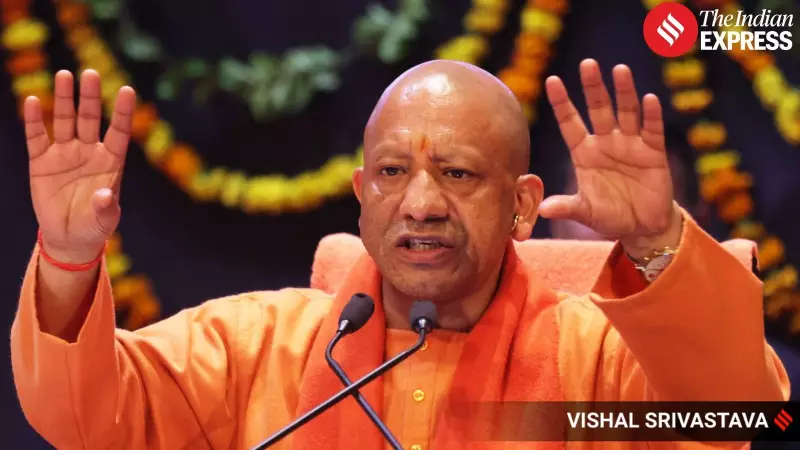
Uttar Pradesh Chief Minister Yogi Adityanath has lauded the recently enacted G-Ram G Act, describing it as a significant milestone in the journey towards rural development and a Viksit Bharat (Developed India). The Chief Minister's remarks underscore the state government's focus on empowering villages and bridging the urban-rural divide through targeted legislative measures.
A Legislative Push for Village Empowerment
Addressing the significance of the new act, CM Adityanath emphasized that it represents a concrete step in translating the vision of a developed India into reality at the grassroots level. The legislation is designed to streamline and accelerate development works in rural areas, ensuring that benefits of governance and progress reach the doorsteps of villagers. The act is seen as a framework to enhance rural infrastructure, improve connectivity, and foster sustainable growth in the state's vast countryside.
The Chief Minister pointed out that for India to become truly developed, the development of its villages is non-negotiable. He stated that the G-Ram G Act is tailored to address specific challenges faced by rural communities, from road construction and water supply to digital access and livelihood opportunities. This move aligns with the broader national objective of strengthening the rural economy and improving the quality of life for millions.
Integrating with the Viksit Bharat Vision
Yogi Adityanath connected the act's implementation directly to the ambitious Viksit Bharat agenda championed by the central government. He argued that holistic national development cannot be achieved without focused attention on village-level planning and execution. The G-Ram G Act, therefore, serves as a crucial tool for decentralized development, enabling local bodies and authorities to undertake projects with greater efficiency and accountability.
The act is expected to facilitate better fund utilization, reduce bureaucratic delays, and promote transparency in rural development projects. By creating a more enabling environment for infrastructure creation, the Uttar Pradesh government aims to stimulate local economies, create jobs, and stop the migration of youth to cities by generating opportunities within their native villages.
Expected Outcomes and Future Roadmap
The administration anticipates several positive outcomes from the effective enforcement of this act:
- Enhanced Infrastructure: Faster development of roads, bridges, irrigation canals, and community buildings.
- Improved Service Delivery: More efficient provision of essential services like healthcare, education, and sanitation.
- Economic Boost: Support for local artisans, farmers, and small businesses through improved connectivity and market access.
- Empowered Local Governance: Strengthening the role of gram panchayats (village councils) in the planning and monitoring process.
Chief Minister Adityanath expressed confidence that this legislative milestone will set a new benchmark for rural development not just in Uttar Pradesh, but for other states to emulate. He called upon officials and public representatives to work with dedication to ensure the act's objectives are met on the ground, transforming the rural landscape of India's most populous state.
The emphasis on the G-Ram G Act highlights the state government's continued priority on rural development as a cornerstone of its policy framework. As Uttar Pradesh marches forward, the success of such initiatives will be critical in determining the pace at which the vision of a Viksit Bharat is realized for its vast rural population.