Andhra Pradesh Government Approves ₹59.85 Crore for Five Compressed Biogas Plants
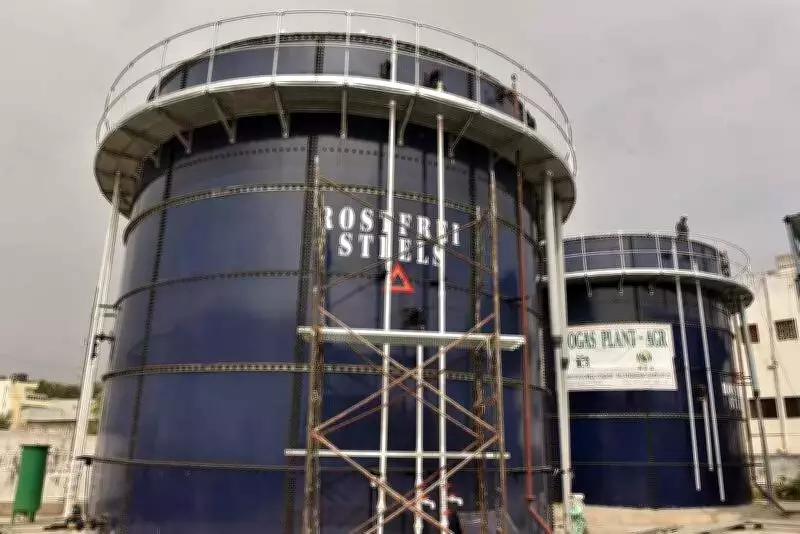
In a major initiative to enhance sustainable urban waste management and promote clean energy generation, the Andhra Pradesh government has granted administrative sanction for ₹59.85 crore to establish five compressed biogas (CBG) plants across the state.
Project Details and Implementation Strategy
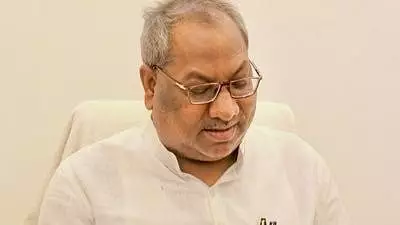
Principal Secretary of Municipal Administration and Urban Development (MAUD) S Suresh Kumar issued Government Order RT No 344 on Saturday, authorizing the development of municipal solid waste (MSW)-based bio-energy infrastructure with a total processing capacity of 125 tonnes per day (TPD).
The proposed projects will be implemented in four new locations: Rajamahendravaram, Nellore, Guntur, and Ongole, along with the revival and upgradation of an existing plant in Vijayawada. Each of the four new facilities will have a capacity of 25 TPD, while the Vijayawada plant will also be upgraded to handle 25 TPD.

The initiative marks a strategic shift in approach after earlier public-private partnership (PPP) tenders failed to attract sufficient response. The government has now decided to implement the projects with technical consultancy support from CSIR-Indian Institute of Chemical Technology (CSIR-IICT) in Hyderabad.
Transformative Impact on Waste Management and Energy Security
Principal Secretary Suresh Kumar emphasized that this project represents a transformative shift in urban waste management by converting municipal solid waste into valuable clean energy. He highlighted several key benefits:
- Reduction of landfill burden and associated environmental risks
- Contribution to circular economy goals through waste-to-energy conversion
- Enhanced energy security in urban areas through domestic biogas production
- Integration of scientific processing technologies with long-term private sector participation
The integration of advanced processing technologies with sustainable private sector involvement will ensure both environmental sustainability and financial viability for these projects, Kumar stated.
Technical Excellence and Quality Assurance
The involvement of CSIR-IICT as a technical partner will ensure adherence to high-quality standards throughout the project lifecycle. Kumar underscored that this collaboration will guarantee:
- Robust project design incorporating the latest waste-to-energy technologies
- Operational efficiency through scientific monitoring and optimization
- Compliance with environmental regulations and safety protocols
- Knowledge transfer and capacity building for sustainable operations
This comprehensive approach aims to establish a model for sustainable urban waste management that can be replicated across other regions, combining municipal waste processing with renewable energy generation to address both environmental and energy challenges simultaneously.