Beekeeping is rapidly emerging as a viable and sustainable livelihood option in Karnataka, transforming the lives of farmers and rural women. With the support of government schemes and private initiatives, many are turning to apiculture to generate additional income through honey production and pollination services.
The Rise of Beekeeping in Karnataka
Karnataka has witnessed a significant surge in beekeeping activities over the past few years. The state's diverse flora, including coffee plantations, forest areas, and agricultural crops, provides an ideal environment for honeybees. This natural advantage, coupled with growing awareness about the benefits of beekeeping, has led to a steady increase in the number of beekeepers.
According to the Karnataka State Beekeeping Development Board, the number of registered beekeepers has grown by over 30% in the last three years. The board provides training, technical support, and market linkages to promote apiculture as a sustainable livelihood.

Training and Skill Development
Various training programs are being conducted across the state to equip farmers and rural women with the necessary skills for beekeeping. These programs cover topics such as hive management, disease control, honey extraction, and value addition. The Karnataka State Beekeeping Development Board, in collaboration with agricultural universities, offers certificate courses in apiculture.
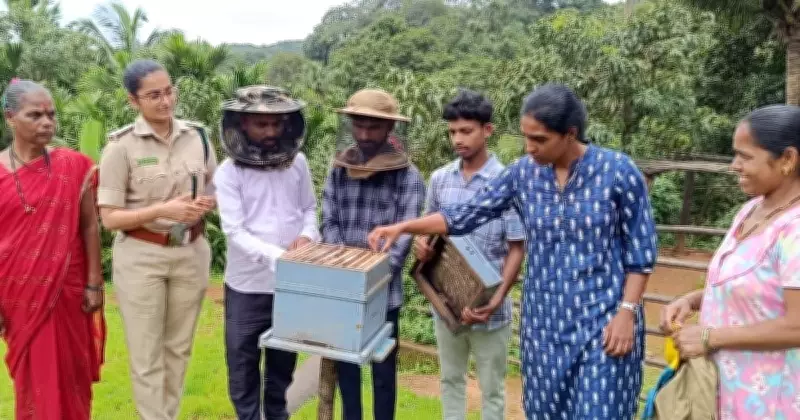
For instance, in Chikkamagaluru district, a group of women from self-help groups underwent a 10-day training program on modern beekeeping techniques. They were provided with beekeeping kits and started their own apiaries, producing high-quality honey that is sold in local markets.
Economic Benefits
Beekeeping offers multiple economic benefits. Apart from honey, beekeepers can earn from selling beeswax, royal jelly, pollen, and propolis. Additionally, beekeeping enhances crop yields through pollination, leading to increased agricultural productivity. Farmers who integrate beekeeping with their crops report a 20-30% increase in yield.
In Hassan district, a farmer named Ramesh started beekeeping with five hives two years ago. Today, he manages 50 hives and earns an average of Rs. 2 lakh per year from honey sales alone. He also provides pollination services to coffee plantations, earning an additional income.
Government Support
The Government of Karnataka has launched several schemes to promote beekeeping. Under the Rashtriya Krishi Vikas Yojana (RKVY), subsidies are provided for the purchase of beehives, honey extractors, and other equipment. The National Bee Board also offers financial assistance for establishing apiaries and honey processing units.
Furthermore, the Karnataka State Beekeeping Development Board has set up honey testing laboratories and collection centers to ensure quality control and fair prices for beekeepers. The board also organizes honey festivals and exhibitions to create market linkages.
Challenges and the Way Forward
Despite the growth, beekeepers face challenges such as climate change, pesticide use, and pests like the varroa mite. To address these, the government and research institutions are promoting sustainable practices, including the use of organic pesticides and integrated pest management.
Efforts are also being made to strengthen the supply chain and improve access to credit. The Karnataka State Beekeeping Development Board is working on a mobile app to provide real-time information on market prices, weather alerts, and disease outbreaks.
Beekeeping is not just a livelihood; it is a means to conserve biodiversity and enhance food security. With continued support, Karnataka's buzzing beekeeping sector can create thousands of jobs and contribute to the state's rural economy.