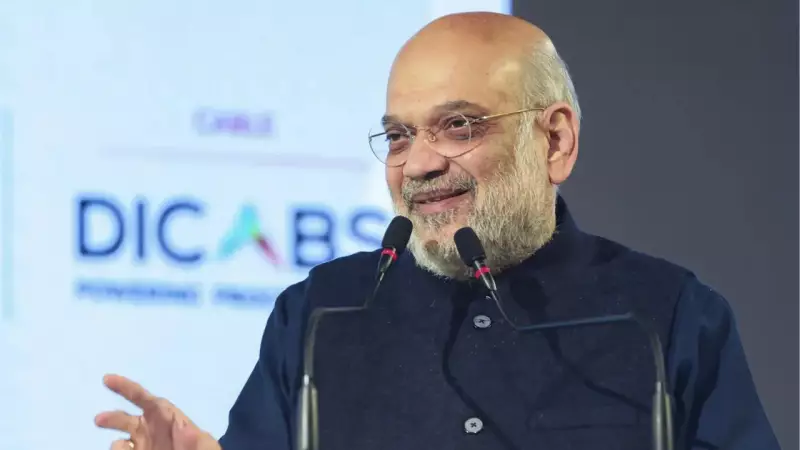
In a significant move aimed at transforming the ride-hailing ecosystem in India, Union Cooperation Minister Amit Shah has announced the imminent launch of 'Bharat Taxi.' This new initiative is designed to create fresh employment opportunities and ensure that cab drivers receive the full financial benefit of their labour.
A New Model for Driver Welfare
Minister Shah made the announcement while addressing a conference organised by the Krishak Bharati Cooperative Limited (KRIBHCO) in Panchkula. He highlighted a critical flaw in the current taxi service landscape. "Several companies operate taxi services in the country, but the profits go to the owners rather than the drivers," Shah stated. He positioned 'Bharat Taxi' as a corrective, cooperative-driven model under the guidance of the Ministry of Cooperation.
"Under the initiative of the ministry of cooperation, 'Bharat Taxi' will be launched soon, and the entire profit will go to our driver brothers," the Minister affirmed. This model seeks to redirect the economic value generated by daily rides directly to the individuals behind the wheel, fundamentally altering the driver-platform relationship.

Comprehensive Benefits for Drivers
The 'Bharat Taxi' scheme is not just about profit sharing. Amit Shah outlined additional benefits that will be extended to the drivers enrolled in the program. He confirmed that 'Bharat Taxi' drivers will receive insurance facilities, providing them with a crucial safety net that is often absent in gig economy jobs.
Furthermore, to augment their earnings, drivers will be permitted to display advertisements on their vehicles. This opens an additional revenue stream directly controlled by the driver. "Ultimately, all profits will go to them. This will enhance customer convenience," Shah added, suggesting that a satisfied, financially secure driver base will lead to better service for passengers.
Addressing Employment and 'Unemployability'
The announcement comes against a backdrop of national discussions on job creation and the quality of employment. The Minister's focus on generating new job opportunities through this cooperative venture is a direct response to employment challenges. The initiative aligns with broader governmental efforts to foster sustainable livelihoods through cooperative societies, moving beyond traditional corporate structures.
This development also touches upon the deeper issue of 'unemployability'—where a mismatch of skills limits job absorption—a topic experts have often termed a ticking time bomb. By creating a framework where drivers are owners of their enterprise's profits, 'Bharat Taxi' aims to provide not just a job, but a more equitable and rewarding profession.
The launch, expected soon, represents a novel experiment in applying cooperative principles to the digital age's service sectors. If successful, it could set a precedent for other industries, balancing technological efficiency with equitable wealth distribution for millions of workers.