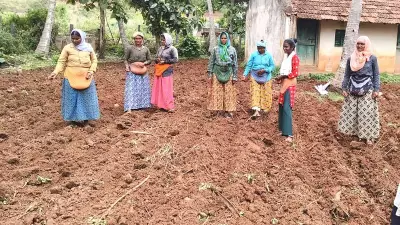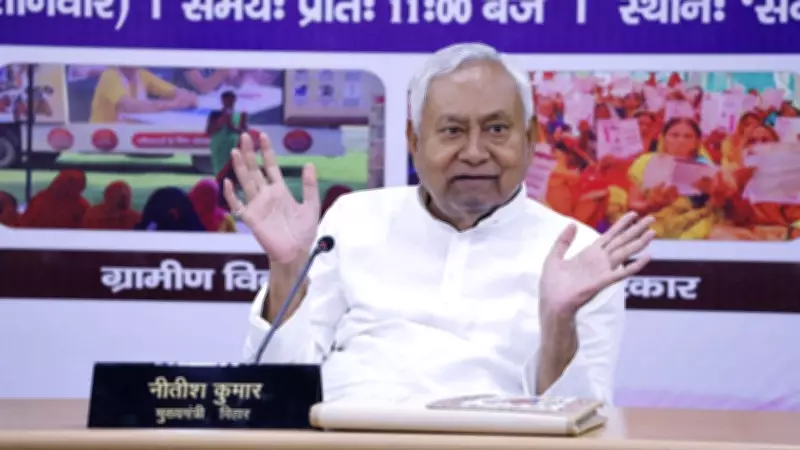
Bihar Chief Minister Nitish Kumar has declared that the second instalment of financial assistance under the Mukhyamantri Mahila Rojgar Yojana will be disbursed starting February, marking a significant step in the state's women empowerment initiatives. This announcement follows a Cabinet meeting held in anticipation of the state Budget Session commencing on February 2, with the scheme being hailed as a transformative measure for women entrepreneurs.
Key Announcements and Financial Details
During the Cabinet meeting, it was decided to release Rs 10,000 to prospective women entrepreneurs as part of the scheme. Nitish Kumar, in a post on X, elaborated on the broader financial support, stating that action has been initiated to provide additional assistance of up to Rs 2 lakh to selected beneficiaries. This amount will be distributed in phases, contingent upon the effective utilization of earlier funds for employment purposes. Furthermore, if the employment ventures are performing well, a lump sum payment may be granted as needed.
Marketing and Integration Efforts
The Chief Minister emphasized the importance of proper marketing for products created by beneficiaries under the Mahila Rojgar Yojana. He directed the relevant department to ensure these products are effectively promoted and linked with various government departments, such as clothing manufacturing, Sudha sales centres, and Didi's kitchen. This integration aims to enhance the economic impact and sustainability of the scheme.

Political Context and Impact
The Mahila Rojgar Yojana has been described as a game-changer, particularly in the context of the Assembly election held last November. It is credited with playing a crucial role in helping the NDA secure 202 out of 243 seats in the Bihar Assembly. In the first instalment, a total of 1.56 crore women received financial support. The state government is currently compiling a list of beneficiaries for the second instalment, based on an assessment of how the initial funds were utilized.
Opposition Concerns and Government Response
The Opposition RJD has raised questions regarding the selection criteria for the second instalment, with spokesperson Mrityunjay Tiwari expressing concerns about the financial burden, estimated at Rs 15,000 crore on the state exchequer. In response, JD(U) spokesperson Neeraj Kumar dismissed these worries, affirming the NDA government's commitment to social justice and women empowerment. He highlighted that the scheme is designed to drive economic transformation following social changes.
Additional Cabinet Decisions
Beyond the women employment scheme, the Cabinet approved several other key measures aimed at bolstering education, health, and industrial sectors in Bihar.
Enhanced Scholarships for Students
Revised pre-matric scholarship rates were approved for Scheduled Caste and Scheduled Tribe students from the 2025–26 financial year. The new rates are as follows:
- Rs 1,200 for Classes 1–4
- Rs 2,400 for Classes 5–6
- Rs 3,600 for Classes 7–10
- Rs 6,000 for residential students from Classes 1–10
This initiative involves an estimated outlay of Rs 519.64 crore. Similar revisions were cleared for pre-matric scholarships for Backward Classes and Extremely Backward Classes, with an annual outlay of Rs 1,751.56 crore from 2025–26.
Hostel Grants and Health Sector Investments
The Cabinet doubled the monthly hostel grant under the Chief Minister’s Backward and Extremely Backward Class Hostel Grant Scheme from Rs 1,000 to Rs 2,000 per student, at an annual cost of Rs 19.56 crore. In the health sector, an advance of Rs 5,000 crore from the Bihar Contingency Fund was approved to settle pending bills related to the construction of medical colleges and hospitals.
Industrial and Policy Initiatives
An additional Rs 1,700 crore was sanctioned to clear pending incentive claims under the Bihar Industrial Incentive Policy, 2016. The Cabinet also gave its nod to the Bihar Semiconductor Policy, 2026, the Bihar Global Capability Centre Policy, 2026, and the establishment of the Bihar State Marketing Authority. This authority will facilitate integrated management and regulation of agricultural, industrial, and allied product marketing, aiming to boost economic growth and efficiency.

These comprehensive decisions underscore the Bihar government's multifaceted approach to development, focusing on empowerment, education, health, and industrial advancement as key pillars for progress.