Bihar's Innovative 'Grain ATMs' Aim to Transform Ration Delivery System
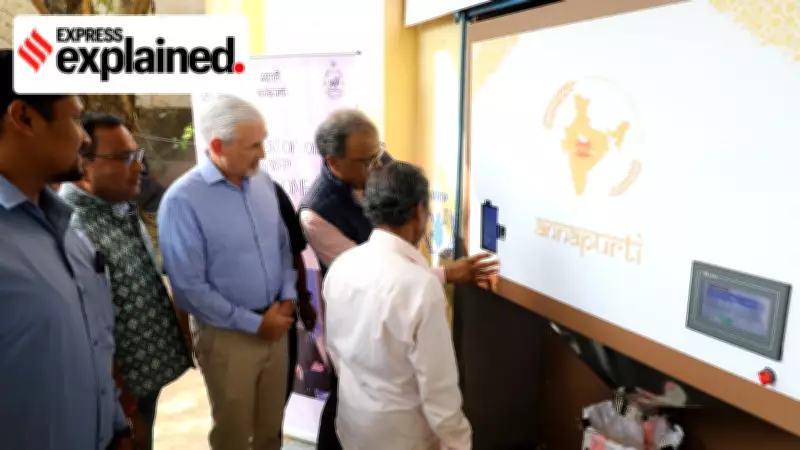
In a significant move to enhance the efficiency of the Public Distribution System (PDS), the Bihar government has approved the installation of three automated machines, popularly known as 'Grain ATMs' or Annapurti, in Patna as part of a pilot project. This initiative is designed to make the procurement of essential food grains smoother and more accessible for ration card-holders across the state.
What Are Grain ATMs and How Do They Function?
Much like traditional banking ATMs, Grain ATMs are automated devices that dispense food grains, primarily wheat and rice, to beneficiaries. These machines can release up to 50 kg of grain in just five minutes, significantly reducing waiting times by an estimated 70%, according to the World Food Programme (WFP). The technology behind these machines was developed by the WFP in collaboration with the Food Corporation of India and various state governments.
Key features of Grain ATMs include:

- 24x7 operational capability, similar to bank ATMs
- Solar energy compatibility for sustainable power
- Internet connectivity to access the PDS database and individual beneficiary profiles
Operational Mechanism and Benefits
To use a Grain ATM, a PDS beneficiary must swipe their beneficiary card or grain ATM card on a Point of Sale (PoS) machine linked to their ration card under the National Food Security Programme or their Aadhar card. The process involves:
- Selecting the type of grain and desired quantity
- Undergoing Aadhar-based biometric authentication for security
- Receiving the dispensed grains within specified limits
Upon completion, the beneficiary's PDS data is automatically updated, and a confirmation slip is issued as a physical record. This streamlined approach not only reduces time spent in queues but also helps curb leakages and corruption in the distribution system.
Current Implementation and Future Plans
Bihar, with over 8.5 crore PDS beneficiaries and more than 50,000 PDS shops, stands to benefit greatly from this innovation. Nationally, around 80.10 crore beneficiaries receive PDS benefits through 5.45 lakh Fair Price Shops (FPSs) as of 2023. The pilot project in Patna could be replicated on a larger scale if successful, improving transparency and efficiency across the state.
At least six states, including Odisha, have already implemented Grain ATMs on a pilot basis, primarily in urban areas. The Central government plans to expand this project to the Panchayat levels in the coming years. As a Central government initiative, it requires approval from respective state governments, which must provide space for the machines. Once installed, maintenance and security costs are shared between the Central and state governments.
In Bihar, the Food and Consumer Protection Department serves as the nodal implementing agency for this project, underscoring the state's commitment to leveraging technology for better governance and public welfare.