Union Budget 2026-27 Earmarks ₹1.25 Lakh Crore for Rural Employment Initiatives
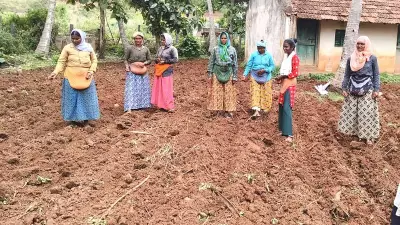
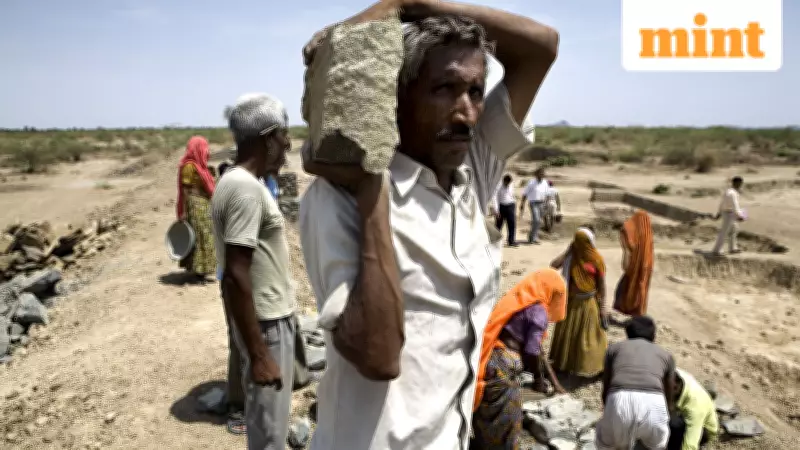
The Union Budget for the fiscal year 2026-27 has made significant provisions for rural employment schemes, allocating a combined total of ₹1,25,692 crore for both existing and new programs. This substantial financial commitment underscores the government's focus on strengthening rural livelihoods and infrastructure development across India.
Dual Allocation Strategy for Smooth Transition
In a strategic move to ensure continuity during the transition period, the budget has earmarked ₹95,692 crore for the newly introduced Viksit Bharat Guarantee for Rozgar and Ajeevika Mission Gramin (VB-G RAM G) scheme. Simultaneously, ₹30,000 crore has been set aside for the outgoing Mahatma Gandhi National Rural Employment Guarantee Act (MGNREGA) program.
This dual allocation approach follows the government's previous budget estimate for 2025-26, which allocated ₹86,000 crore specifically for MGNREGA. The current budgetary provisions reflect a carefully planned transition strategy that was anticipated, with reports indicating the government's intention to maintain separate allocations for both schemes during this critical period.

Key Differences Between the Two Schemes
The VB-G RAM G scheme represents a significant evolution in rural employment policy, offering 125 days of guaranteed employment compared to the 100 days provided under MGNREGA. However, this enhanced benefit comes with altered financial responsibilities for state governments.
Under the traditional MGNREGA framework, the central government bears 100% of wage costs, which constitute the majority of expenditures, while states contribute 25% of material costs. In contrast, the new VB-G RAM G scheme follows a different funding pattern where the Centre will fund:
- 60% of total costs in most states
- 90% of total costs in north-eastern and Himalayan states
State governments will be responsible for funding the balance under the new arrangement, representing a shift in financial responsibilities.
Administrative Transition and Implementation Framework
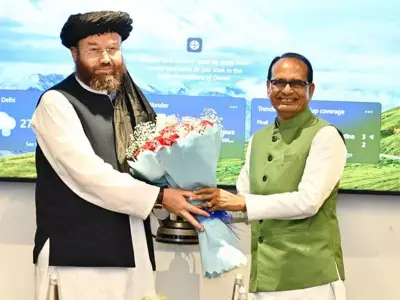
Rural Development and Agriculture Minister Shivraj Singh Chouhan has clarified that states will receive six months to transition from the two-decade-old MGNREGA to the new VB-G RAM G scheme. During this period, both programs will continue operating normally, necessitating the separate budgetary allocations announced in the budget.
The central government is currently framing rules to facilitate a seamless transition of existing MGNREGA workers into the new scheme and establish normative allocation procedures for state governments. This transitional approach aims to ensure uninterrupted wage payments and smooth execution of ongoing rural development works while allowing states adequate time to realign their administrative and financial systems.
Decentralized Planning and Enhanced Governance
A significant departure from previous approaches involves the implementation methodology of the VB-G RAM G scheme. Instead of following a top-down planning model, work identification will occur through Developed Gram Panchayat Plans, with gram sabhas and panchayats determining local priorities based on community needs.
This decentralized approach is expected to strengthen administrative capacity at the grassroots level, improving planning, execution, and service delivery while reinforcing accountability mechanisms. The objective is to ensure that the new framework's goals are consistently achieved at the village level through enhanced local governance structures.
Economic Impact and Strategic Vision
According to Shweta Saini, Founder and CEO of Arcus Policy Research, the VB-G RAM G scheme is anticipated to generate a strong multiplier effect by expanding income opportunities through increased man-days of employment while simultaneously reinforcing rural infrastructure creation.

EY India analysts note that the government's higher allocation for VB-G RAM G signals a strategic shift in rural employment policy from primarily wage support to development-linked, asset-creating interventions. This realignment supports the broader Viksit Bharat 2047 vision, emphasizing sustainable rural development and infrastructure enhancement as key components of national progress.
The budgetary allocations reflect a balanced approach that maintains support for existing rural employment mechanisms while introducing enhanced programs with different funding structures and implementation methodologies. This transitional budgeting strategy aims to minimize disruption in rural employment while gradually introducing more comprehensive development-oriented interventions across India's rural landscape.