Budget 2026-27 Unveils Comprehensive Renewable Energy Push
Finance Minister Nirmala Sitharaman's budget speech for the fiscal year 2026-27 has introduced several pivotal measures aimed at strengthening India's renewable energy sector. These initiatives are designed to accelerate the country's transition towards sustainable energy sources and meet ambitious national targets.
Financial Restructuring to Fuel Renewable Growth
The proposed restructuring of Power Finance Corporation and REC to achieve greater scale and operational efficiency is expected to lead to a significant surge in non-banking financial company (NBFC) lending to the renewable energy sector. This strategic move is crucial for India to achieve its renewable energy target of 500 GW by 2030, a goal that is projected to require an investment of approximately US$ 400 billion. A substantial portion of this massive investment will need to be financed through debt, making enhanced NBFC lending capacity essential.
Customs Duty Exemptions to Lower Costs
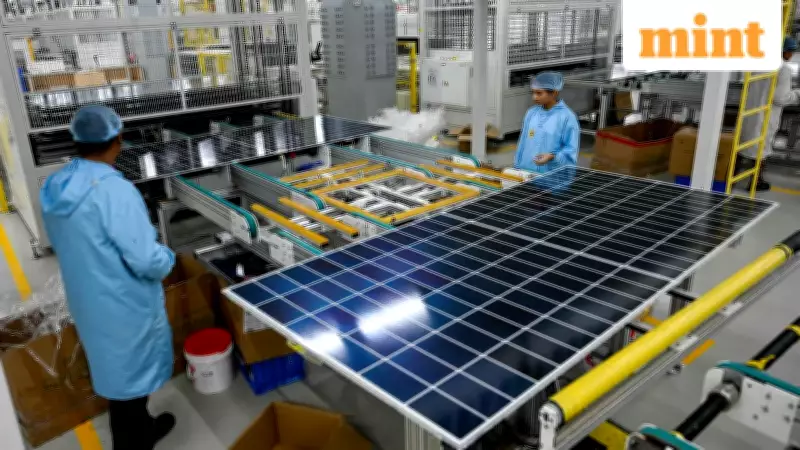
In a timely intervention, the budget extends the basic customs duty (BCD) exemption to capital goods used for manufacturing lithium-ion cells for battery storage systems. This policy is critical for substantially enhancing utility-scale energy storage across the country, addressing the growing need for reliable integration of renewable sources. Additionally, imports of sodium antimonate used in the manufacture of solar glass will now be exempt from BCD, marginally reducing the final product cost and supporting domestic solar panel production.

Addressing Renewable Energy Curtailment
The rising issue of renewable energy curtailment in certain regions is negatively impacting developers and the broader power sector. To mitigate this, the Central Electricity Authority has estimated a requirement for over 330 GWh of energy storage capacity by the end of this decade. The budget's focus on storage solutions through duty exemptions and financial support aims to address this challenge effectively.
Boost for Biogas and Green Hydrogen
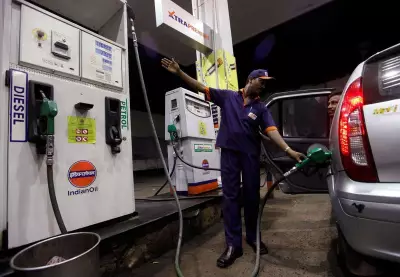
The budget provides a significant boost to biogas production by excluding the entire value of biogas when calculating central excise duty payable on biogas-blended CNG. Meanwhile, the allocation for the National Green Hydrogen Mission remains steady at ₹600 crore, with incentives to be disbursed once awarded electrolyser and green hydrogen production capacities become operational, ensuring targeted fund utilization.
Substantial Increase in Ministry Allocation
The overall budgetary allocation to the Ministry of New & Renewable Energy for FY27 has been substantially increased to ₹32,914 crore, compared to the revised estimate of ₹25,301 crore for FY26. Major allocations include:
- PM Surya Ghar Muft Bijli Yojana: ₹22,000 crore
- PM KUSUM: ₹5,000 crore
These figures highlight the growing success and continued government commitment to these flagship renewable energy schemes.
Challenges in Cleantech Manufacturing
While the Budget for 2025-26 announced a National Manufacturing Mission with an outlay of ₹100 crore, including the cleantech sector, budget documents indicate limited substantive progress on operationalizing this mission. Establishing a resilient cleantech manufacturing sector that can compete globally on merit remains a crucial, though challenging, objective for India's renewable energy ambitions.
Overall Positive Impact
Overall, the 2026-27 budget presents a highly positive outlook for India's renewable energy sector, combining financial restructuring, policy incentives, and increased funding to drive sustainable growth and energy security.