Budget 2026: Finance Minister Proposes Seven High-Speed Rail Corridors to Transform National Connectivity
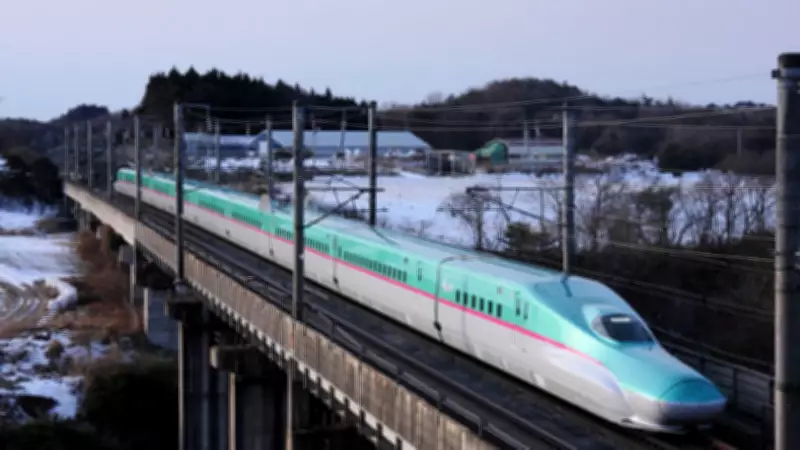
In a significant move aimed at revolutionizing India's transportation landscape, Finance Minister Nirmala Sitharaman has proposed the development of seven high-speed rail corridors across the country as part of the Union Budget 2026. This ambitious initiative underscores the government's continued focus on infrastructure-led economic growth and enhanced connectivity between major urban centers.
Detailed Routes of the Proposed High-Speed Rail Corridors
The seven high-speed rail corridors announced by the Finance Minister are strategically planned to link key economic hubs and cultural centers. The proposed routes include:
- Mumbai-Pune Corridor: Connecting Maharashtra's financial capital with its educational and industrial hub.
- Pune-Hyderabad Corridor: Linking two major technology and manufacturing centers in western and southern India.
- Hyderabad-Bangalore Corridor: Bridging the technology ecosystems of Telangana and Karnataka.
- Hyderabad-Chennai Corridor: Enhancing connectivity between southern metropolitan cities.
- Chennai-Bangalore Corridor: Strengthening economic ties between Tamil Nadu and Karnataka.
- Delhi-Varanasi Corridor: Connecting the national capital with one of India's most important spiritual and cultural destinations.
- Varanasi-Siliguri Corridor: Extending high-speed rail connectivity to northeastern regions through West Bengal.
Boosting Domestic Manufacturing and Infrastructure Development
Beyond the rail corridor announcements, Finance Minister Sitharaman emphasized the government's commitment to strengthening domestic manufacturing capabilities. She revealed plans to introduce a specialized scheme focused on enhancing construction and infrastructure equipment production. This initiative aims to reduce dependency on imports while creating employment opportunities within the domestic manufacturing sector.

The Finance Minister further highlighted that infrastructure development would extend beyond metropolitan areas, with continued focus on Tier 2 and Tier 3 cities. This approach aligns with the government's vision of balanced regional development and inclusive growth across urban and semi-urban centers.
Building on Previous Infrastructure Investments
The high-speed rail proposal builds upon the government's sustained infrastructure investment strategy. In the Union Budget 2024-25, the Finance Minister had allocated Rs 11,11,111 crore for capital expenditure, demonstrating a consistent emphasis on infrastructure as a catalyst for economic expansion.
Over recent years, the central government's focused infrastructure development efforts have generated significant multiplier effects on the economy. These investments have contributed to boosting overall economic growth, creating employment opportunities, and stimulating private sector investment across various industries.
The proposed high-speed rail corridors represent a transformative step in India's transportation infrastructure, promising to reduce travel times between major cities while supporting economic integration and regional development. As these projects move forward, they are expected to create substantial opportunities in construction, manufacturing, and related sectors, further strengthening India's position as a rapidly developing economy with world-class infrastructure ambitions.