In a significant move to bolster India's clean energy infrastructure, Finance Minister Nirmala Sitharaman announced a series of exemptions on basic customs duty for equipment and raw materials imported to develop a domestic clean power ecosystem. The announcement, made on Sunday, is expected to reduce costs across several critical sectors and enhance the competitiveness of Indian manufacturing in the global market.
Key Exemptions for Clean Energy Equipment
The exemptions target capital goods required for manufacturing lithium-ion cells for battery energy storage systems (BESS) and for nuclear power plants. Additionally, machinery used to process critical minerals has been included in the duty-free list. These measures are strategically designed to lower capital costs and accelerate the adoption of advanced technologies in India's energy sector.
Impact on Battery Energy Storage Systems
Anurag Choudhary, CMD and CEO of Himadri Speciality Chemical Ltd, which produces raw materials for cell manufacturing, highlighted the potential benefits. "These measures will significantly lower capital costs for domestic battery production, making 'Make in India' energy storage solutions globally competitive," he stated. The exemption is poised to reduce the financial burden on companies investing in battery technology, thereby fostering innovation and scalability.

Solar Glass Manufacturing Boost
Another notable exemption is for sodium antimonate, a white powder essential for manufacturing solar glass. Previously attracting a 7.5% import duty, this raw material is crucial for enhancing the transparency of glass used in solar panels. The removal of this duty is expected to cut the overall cost of solar panel production, making renewable energy more affordable and accessible.
Promoting Biogas and Compressed Natural Gas
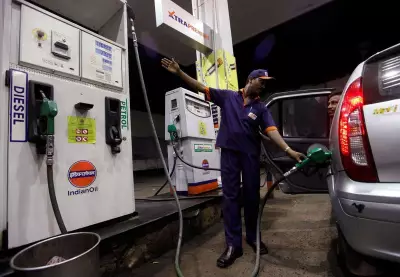
The budget also includes an exemption for the entire value of biogas used in producing blended compressed natural gas (CNG) when calculating central excise duty. This policy shift will result in lower taxes for biogas-blended CNG, encouraging its adoption as a cleaner alternative to conventional fuels. This move aligns with India's broader goals of reducing carbon emissions and promoting sustainable energy sources.
Enhancing Tariff Competitiveness
Ankit Jain, Vice President & Co-Group Head of Corporate Ratings at ICRA, emphasized the strategic importance of these exemptions. "The exemptions of BCD on capital goods for cell manufacturing and nuclear power plants can aid in the tariff competitiveness of BESS as well as nuclear power projects in India," he explained. By reducing upfront costs, these measures are likely to make clean energy projects more financially viable and attractive to investors.
Support for Renewable Energy Initiatives
Jain also pointed out that the increased allocation for the PM Surya Ghar Muft Bijli Yojana and the continued focus on the PM Kisan Urja Suraksha evam Utthaan Mahabhiyan will further support renewable capacity addition across the country. These initiatives, combined with the new duty exemptions, create a robust framework for accelerating India's transition to clean energy.
Nuclear Power Expansion Targets
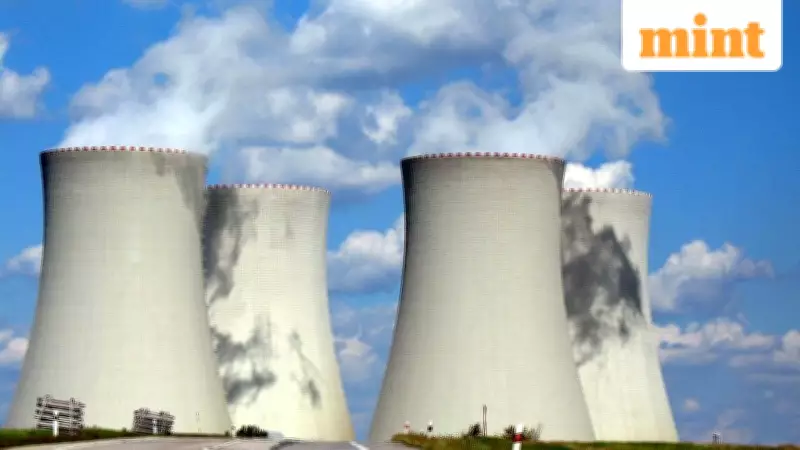
India has set an ambitious target to expand its nuclear power capacity to 100 GW by 2047. Nuclear power is recognized as a clean and environmentally friendly source of base-load electricity, available round the clock. The duty exemptions for equipment related to nuclear power plants are expected to play a crucial role in achieving this goal by reducing import costs and facilitating faster project implementation.
Conclusion
The budget announcements reflect a clear commitment to strengthening India's clean energy sector through strategic fiscal policies. By exempting key equipment and raw materials from customs duties, the government aims to lower production costs, enhance competitiveness, and accelerate the adoption of renewable and nuclear energy. These measures are poised to contribute significantly to India's energy security and environmental sustainability in the coming years.