

Union Budget 2026-27 Expectations Intensify as Health Advocacy Groups Push for Major Funding Boost
As the Union Budget 2026-27 approaches, significant expectations are building around health sector allocations, with prominent advocacy groups demanding substantial increases in funding. The Jan Swasthya Abhiyan (JSA), a coalition of health organizations, has called for a doubling of the Union health budget, highlighting critical shortfalls in meeting national health commitments.
Health Budget Demands and National Policy Shortcomings
In a strongly worded demand letter endorsed by 350 organizations and individuals, JSA has pointed out that the commitments outlined in the National Health Policy (NHP) 2017 are not being fulfilled. The policy had promised public health spending of 2.5% of GDP by 2025, but current expenditure remains significantly lower at approximately 1.15% of GDP. This gap has raised concerns about the government's ability to achieve its health infrastructure and service delivery goals.
The advocacy group emphasizes that urgent budget priorities must address this funding deficit to improve healthcare access and quality across India. Their demands come at a crucial time when the government is finalizing its budget proposals for the upcoming fiscal year.

Budget Session Schedule and Key Dates
The Budget Session of Parliament is scheduled to run from January 28 to April 2, 2026, with a recess period between February 13 and March 9. This extended session provides the framework for detailed discussions on financial allocations and policy directions.
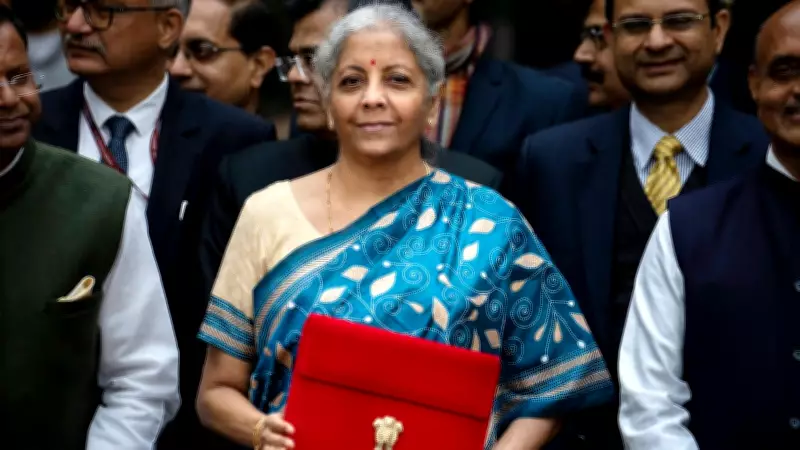
Finance Minister Nirmala Sitharaman will present the Union Budget for 2026-27 on February 1, 2026. This will mark her ninth consecutive budget presentation and the third full budget of the Modi-led NDA 3.0 government. The budget presentation is anticipated to outline the government's economic priorities and sector-specific funding strategies.
Government Rejects Opposition Demands on Legislative Matters
Amid budget preparations, the government has turned down Opposition demands for fresh discussions on two key legislative matters during the Budget Session. Parliamentary Affairs Minister Kiren Rijiju stated that both the VB-G RAM G Act, which replaced the employment guarantee legislation MNGREGA, and the Special Intensive Revision (SIR) of electoral rolls were already debated extensively in the previous parliamentary session.
This decision underscores the government's focus on budget-related discussions while managing parliamentary agenda priorities.
Broader Implications for Health and Economic Policy
The demands from Jan Swasthya Abhiyan reflect broader concerns about healthcare funding in India. With the National Health Policy targets remaining unmet, there is increasing pressure on the government to allocate more resources to health infrastructure, disease prevention, and medical services.
As budget expectations continue to evolve, stakeholders across sectors are closely monitoring announcements that could shape India's economic and social development trajectory in the coming year.






