

In a strategic move to enhance rural incomes and generate employment opportunities beyond conventional farming, Union Finance Minister Nirmala Sitharaman unveiled a comprehensive package of initiatives for livestock, fisheries, and high-value agriculture during her presentation of the Union Budget 2026-27 in the Lok Sabha on Sunday.
Focus on Livestock Sector for Small Farmers
Emphasizing the critical role of livestock in supporting small and marginal farmers, Sitharaman highlighted that this sector contributes approximately 16% of farm income. To strengthen this vital area, the government has introduced a loan-linked capital subsidy scheme aimed at increasing the number of veterinary professionals by over 20,000. This initiative will also provide support to private sector veterinary colleges, hospitals, diagnostic laboratories, and breeding centers, ensuring better healthcare and productivity for livestock.
Boosting Fisheries and Aquaculture
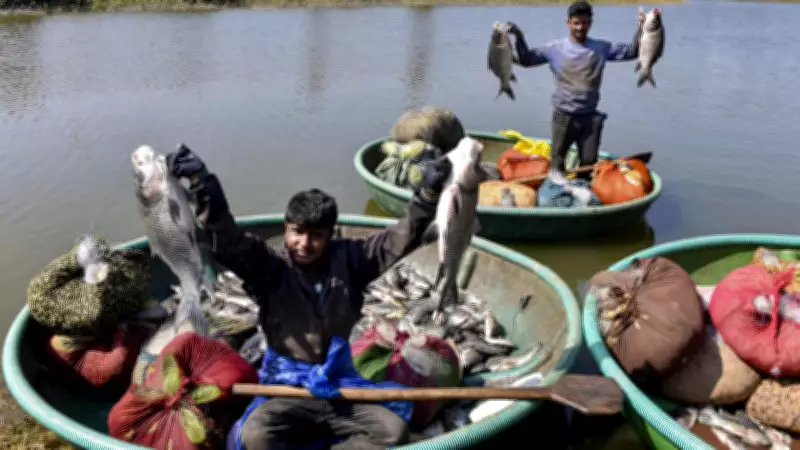
For the fisheries sector, the budget outlines plans to develop 500 reservoirs and Amrit Sarovars, alongside strengthening value chains in coastal regions. Market access will be facilitated through startups, women-led groups, and Fish Farmers Producer Organisations, promoting sustainable growth and economic opportunities in aquaculture.

Entrepreneurship and Modernization in Animal Husbandry
The budget proposes a credit-linked subsidy programme specifically designed for animal husbandry entrepreneurship. This will be complemented by efforts to modernize livestock enterprises and create integrated value chains for dairy, poultry, and livestock, enhancing efficiency and profitability across the sector.
Promoting High-Value Crops for Global Competitiveness
On the agricultural front, Sitharaman announced a Coconut Promotion Scheme to replace ageing trees with high-yielding varieties in key coconut-growing states. She noted that around 30 million people, including nearly 10 million farmers, rely on coconuts for their livelihood, with India being the world's largest producer.
A dedicated programme for cashew and cocoa aims to achieve self-reliance in production and processing, boost export competitiveness, and transform these crops into premium global brands by 2030. Additionally, sandalwood cultivation and post-harvest processing will be promoted in collaboration with state governments to restore the glory of the Indian sandalwood ecosystem, reflecting its cultural and economic significance.
Support for Hilly Regions and Youth Engagement
For hilly areas, the government will support the rejuvenation of old orchards and encourage high-density cultivation of walnuts, almonds, and pine nuts. This initiative emphasizes value addition and aims to engage youth in agricultural activities, fostering innovation and sustainability in these regions.
Overall, these initiatives are designed to improve productivity, boost farmer incomes, and expand employment opportunities across agriculture and allied sectors, aligning with the government's vision for rural development and economic growth.






