

Union Budget 2026 Unveils Major Restructuring of Rural Employment Funding
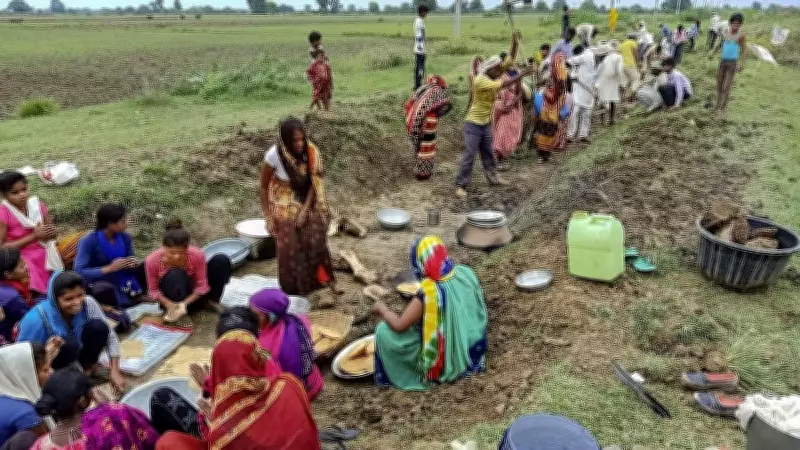
In a significant move aimed at bolstering rural development and employment generation, the Union Budget for the fiscal year 2026 has announced a comprehensive restructuring of funding channels for rural jobs. The government has allocated a substantial sum of Rs 95,692 crore to be channeled through newly established mechanisms, including VB-G and Ram-G. This strategic overhaul is designed to enhance the efficiency, transparency, and effectiveness of the Mahatma Gandhi National Rural Employment Guarantee Act (MGNREGA) scheme, which guarantees 100 days of wage employment per year to rural households.
Key Changes in Funding Allocation
The restructuring involves a shift from traditional funding methods to more streamlined and targeted channels. The VB-G (Village-Based Grants) and Ram-G (Rural Asset Management Grants) are expected to facilitate direct and faster disbursement of funds to grassroots levels. This move aims to reduce bureaucratic delays and ensure that financial resources reach the intended beneficiaries promptly, thereby improving the implementation of rural employment programs.
Impact on MGNREGA and Rural Economy
By reallocating funds through these new channels, the government seeks to address longstanding issues such as fund leakage and mismanagement. The enhanced funding structure is anticipated to boost rural infrastructure development, create sustainable employment opportunities, and uplift the socio-economic conditions of rural communities. Experts believe that this restructuring could lead to better monitoring and accountability in the utilization of funds, ultimately contributing to the overall growth of the rural economy.

Government's Vision for Rural Development
The Union Budget 2026 reflects the government's commitment to strengthening rural India through innovative financial mechanisms. The introduction of VB-G and Ram-G aligns with broader policy goals of promoting inclusive growth and ensuring that development benefits percolate to the most marginalized sections of society. This initiative is part of a larger strategy to revitalize rural areas and make them more resilient to economic challenges.
As the details of the restructuring unfold, stakeholders, including state governments and rural development agencies, are expected to adapt to the new funding channels. The success of this initiative will depend on effective implementation and coordination among various levels of governance.






