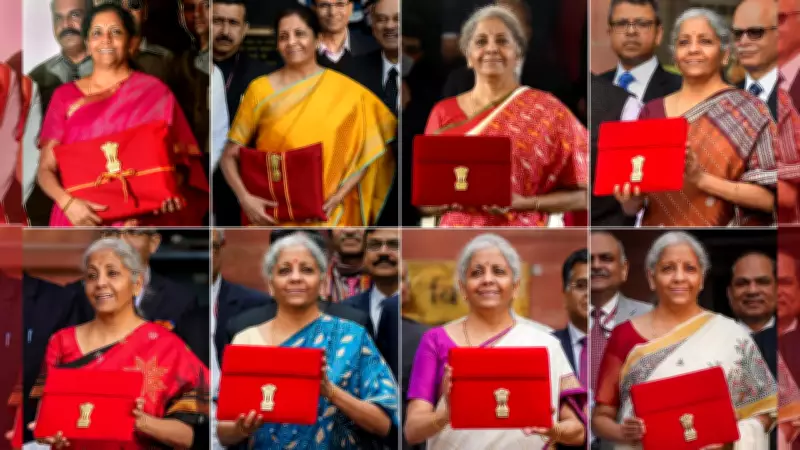
With Budget 2026 just a day away, attention has once again turned to Union Finance Minister Nirmala Sitharaman's distinctive red bahi khaata and what it might signify for various economic sectors. First introduced in 2019, this traditional red ledger has evolved beyond a mere functional item to embody a deliberate shift away from colonial-era practices, embracing a more authentically Indian and personal symbol of budgetary planning.
Moving Away from British-Era Budget Traditions
The adoption of the bahi khaata represents part of a broader movement to distance India's budgetary processes from their British origins. This transition builds upon earlier reforms, such as during the Atal Bihari Vajpayee government when the timing of the Budget presentation was changed from evening to morning. This adjustment broke from a schedule originally designed to align with the opening of the London Stock Exchange, further emphasizing India's growing independence in fiscal matters.
The Inspiration Behind the Red Bahi Khaata
The concept for the red bahi khaata emerged from Finance Minister Sitharaman's personal experiences during her time working in the United Kingdom. There, she observed the British chancellor carrying a bag bearing the emblem "EIIR, Elizabeth-II Regina." Reflecting on this memory, Sitharaman shared with TOI, "During my days in Britain, the chancellor used to carry a bag with an emblem EIIR, Elizabeth-II Regina. That memory is very strong and I didn't want to carry a bag which didn't have EIIR, but had a British hangover. It's high time we adopted our own thing." This sentiment underscores her commitment to replacing colonial symbols with indigenous alternatives.

Creation and Design of the Bahi Khaata
The bahi khaata was personally crafted and designed by Sitharaman's aunt, adding a familial touch to this official symbol. "My maami (aunt) made this. She had this official emblem embossed on it. This bag was taken to Siddhivinayak and Mahalaxmi temples in Mumbai yesterday. She went there, performed puja, and gave it to me. She came to Parliament and watched the Budget speech," Sitharaman explained. This process highlights the cultural and spiritual significance embedded in the item, connecting modern governance with traditional values.
Traditional Craftsmanship and Materials
The traditional bahi khaata is meticulously made from cotton cloth and bound with thread, featuring pages crafted from handmade paper. The red ledger is adorned with the national emblem in gold, symbolizing both heritage and national pride. Prior to Sitharaman's innovative choice, the leather briefcase had been a constant fixture in India's Budget presentations, used by every finance minister from R K Shanmukham Chetty to Arun Jaitley and Piyush Goyal. This change marks a significant departure from long-standing conventions, reinforcing the move towards indigenous symbolism in government rituals.
As Budget 2026 looms, the red bahi khaata continues to serve as a powerful reminder of India's ongoing journey to reclaim its cultural identity in administrative practices. It not only reflects a break from colonial past but also celebrates traditional craftsmanship and personal narratives in the realm of public finance.