Cabinet Approves Extension of Jal Jeevan Mission Until December 2028
In a significant move to bolster rural infrastructure and public health, the Union Cabinet has officially approved the extension of the Jal Jeevan Mission until December 2028. The announcement was made by Union Minister Ashwini Vaishnaw, highlighting the government's continued commitment to providing safe and adequate drinking water across India's villages.
Background and Objectives of the Mission
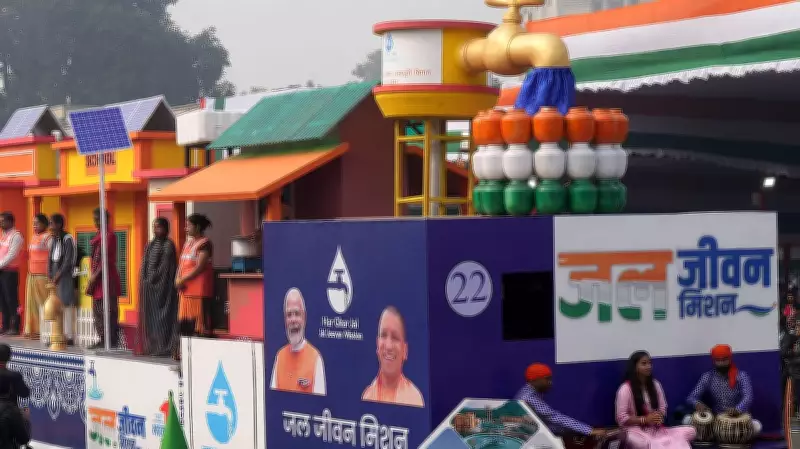
The Jal Jeevan Mission was originally launched by Prime Minister Narendra Modi in 2019 with the ambitious goal of ensuring that every rural household in India receives a functional tap connection for drinking water. This initiative aims to address long-standing issues of water scarcity and contamination, which have historically impacted health and livelihoods in rural areas.
Key objectives include:

- Providing potable water through individual household tap connections.
- Enhancing water quality and availability to prevent waterborne diseases.
- Promoting sustainable water management practices at the community level.
- Supporting economic development by reducing the time and effort spent on water collection.
Implications of the Extension
The extension of the Jal Jeevan Mission until 2028 is expected to have far-reaching impacts on rural India. By prolonging the timeline, the government aims to ensure that no household is left behind, particularly in remote or underserved regions where implementation challenges persist.
This decision underscores a strategic focus on long-term water security and aligns with broader national goals for health and sanitation. It also reflects ongoing efforts to meet the Sustainable Development Goals related to clean water and sanitation.
Officials have noted that the extension will allow for:
- Completion of pending projects and infrastructure upgrades.
- Enhanced monitoring and evaluation to ensure quality and efficiency.
- Increased community involvement and awareness campaigns.
- Integration with other rural development schemes for holistic growth.
Future Outlook and Challenges
While the extension is a positive step, experts point out that challenges such as groundwater depletion, climate change, and logistical hurdles in hilly or arid areas must be addressed. The mission's success will depend on robust implementation, adequate funding, and active participation from state governments and local bodies.
As of March 2026, progress reports indicate significant advancements, but the extended timeline aims to consolidate these gains and reach full coverage. The Cabinet's approval signals a renewed push to transform rural water access, potentially improving millions of lives by 2028.