

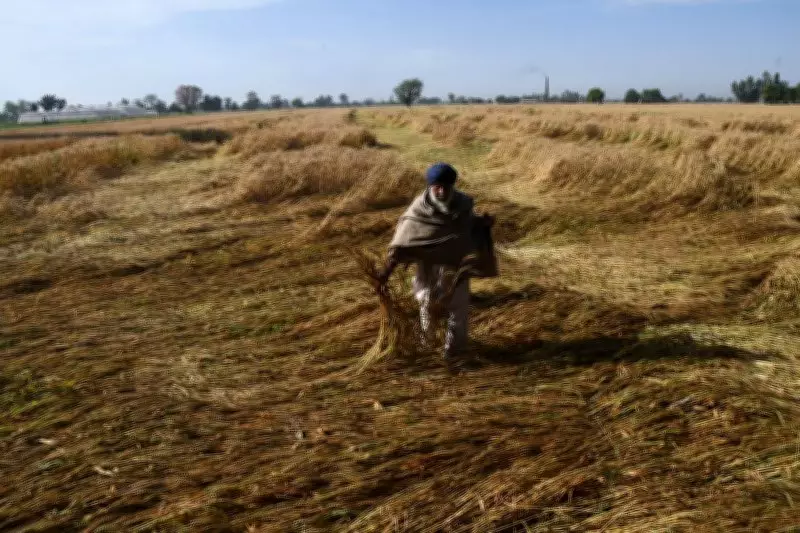
Central Government Dispatches Teams to Evaluate Wheat Crop Damage in Punjab
In response to severe weather events, the central government has deputed specialized teams to assess the damage inflicted on Punjab's wheat crop by recent rain and hailstorms. This initiative aims to provide a comprehensive evaluation of the agricultural losses, which have raised concerns among farmers and policymakers alike. The deployment underscores the urgency of addressing the impact on one of India's key grain-producing regions.
Extensive Damage Reported Across Agricultural Heartlands
Reports from Punjab indicate that unseasonal rain and hailstorms have caused significant harm to wheat fields, potentially reducing yields and affecting crop quality. The adverse weather conditions, which struck during a critical growth phase, have led to widespread distress in farming communities. Early estimates suggest that the damage could have far-reaching implications for both local economies and national food security, given Punjab's pivotal role in wheat production.
Objectives of the Central Assessment Teams
The central teams are tasked with conducting on-ground surveys to quantify the extent of the damage, including factors such as crop loss, financial impact on farmers, and potential recovery measures. Their assessment will involve:

- Inspecting affected fields to document physical damage to wheat crops.
- Collecting data on yield reductions and quality degradation.
- Engaging with local farmers to understand their challenges and needs.
- Recommending support measures, such as compensation or relief packages, based on their findings.
This proactive approach is designed to ensure timely intervention and support for affected agricultural stakeholders.
Broader Implications for Agriculture and Policy
The damage assessment comes at a crucial time, as wheat harvesting seasons approach and global food supply chains face uncertainties. The findings from these central teams are expected to inform policy decisions, including potential adjustments to agricultural subsidies, insurance claims processing, and disaster management strategies. Moreover, this event highlights the increasing vulnerability of crops to climate-related disruptions, prompting calls for enhanced resilience in farming practices.
Farmers in Punjab have expressed hope that the assessment will lead to swift governmental action to mitigate their losses. As the teams begin their work, stakeholders await detailed reports that could shape future agricultural initiatives and support mechanisms in the region.






