Commercial LPG Sales Roll Out Across 29 States and Union Territories
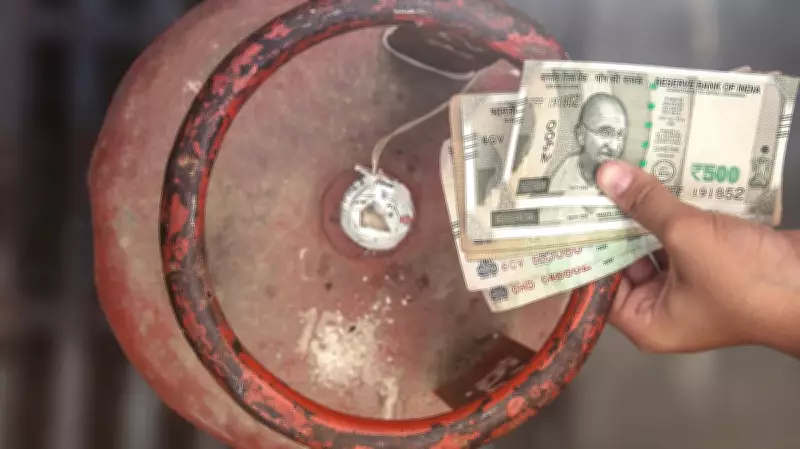
The Indian government has officially launched the sale of commercial liquefied petroleum gas (LPG) cylinders in 29 states and union territories, marking a significant expansion in the availability of this essential fuel for businesses and industries. This move aims to streamline the supply chain and meet the growing demand from commercial establishments, including restaurants, hotels, and small-scale enterprises.
Intensified Raids to Combat Black Marketing Activities
In response to concerns over illegal practices, authorities have ramped up enforcement efforts with intensified raids across various regions. These operations are designed to crack down on black marketing, where LPG cylinders are often diverted from legitimate channels and sold at inflated prices, disrupting the market and harming consumers.
Key Objectives of the Initiative:

- Ensure equitable distribution of commercial LPG cylinders to prevent shortages.
- Monitor and regulate pricing to avoid exploitation by unauthorized dealers.
- Strengthen surveillance mechanisms to detect and penalize illegal activities promptly.
Impact on Businesses and the Economy
The expansion of commercial LPG sales is expected to benefit a wide range of sectors by providing a reliable and regulated source of fuel. This initiative supports the government's broader goals of promoting economic growth and reducing dependency on informal markets, which often lead to inefficiencies and higher costs.
Industry experts highlight that this step could enhance operational efficiency for businesses, particularly in the hospitality and manufacturing sectors, by ensuring a steady supply of LPG at controlled prices.
Challenges and Future Measures
Despite the positive rollout, challenges such as logistical hurdles and the persistence of black market networks remain. Authorities are committed to addressing these issues through continuous monitoring and stricter penalties for violators. Future measures may include enhanced digital tracking of cylinder movements and increased public awareness campaigns to encourage reporting of illegal activities.
Overall, this initiative represents a proactive approach to fuel management in India, aiming to balance supply with demand while safeguarding against malpractices that undermine the economy and consumer trust.