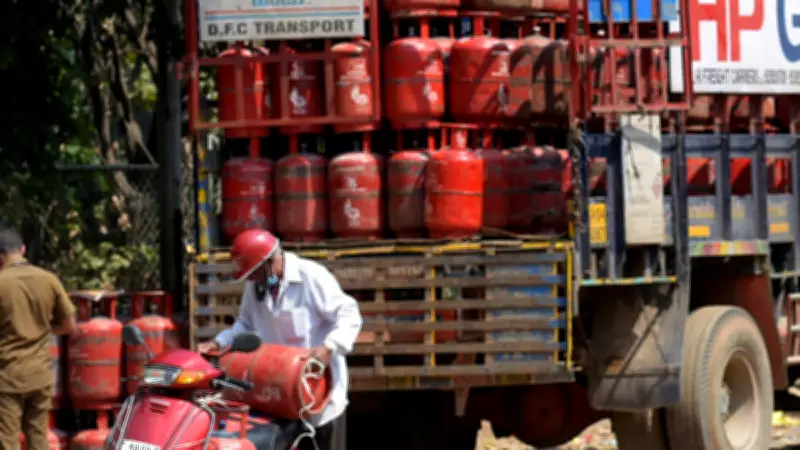
Delhi Government Caps Commercial LPG Supply at 20% of Average Consumption
The Delhi government has announced a significant regulatory measure to manage commercial LPG supply, implementing a cap set at 20% of the average consumption levels. This decision aims to address potential shortages and ensure equitable distribution across various sectors. The policy, effective immediately, is part of broader efforts to stabilize fuel availability in the national capital amidst fluctuating demand and supply challenges.
Priority Allocation for Restaurants and Eateries
In a strategic move to support critical industries, the government has prioritized the allocation of the regulated LPG supply. Restaurants and eateries, which constitute one of the largest commercial consumer groups, have been allotted the largest share at 42% of the total regulated supply. This allocation underscores the essential role of the food service sector in Delhi's economy and daily life, ensuring that these establishments can continue operations without severe disruptions.
The announcement, made on March 14, 2026, at 18:47 IST, follows concerns over supply chain issues and rising demand. By capping supply at 20% of average consumption, the government seeks to prevent hoarding and promote efficient usage among commercial entities. Other sectors, such as hotels, catering services, and small industries, are expected to receive allocations based on remaining supply, with detailed guidelines to be issued soon.

Impact on Businesses and Economy
This policy is likely to have mixed effects on businesses in Delhi. While restaurants benefit from the priority allocation, other commercial users may face constraints, potentially leading to operational adjustments. The government has emphasized that this measure is temporary and will be reviewed based on supply improvements and market conditions. Stakeholders are advised to plan accordingly and explore alternative energy sources where feasible.
Public Response and Future Steps
Initial reactions from industry associations have been cautious, with calls for transparency in the allocation process and support for affected sectors. The Delhi government has assured that monitoring mechanisms will be in place to ensure compliance and fairness. Further announcements regarding distribution timelines and sector-specific quotas are anticipated in the coming weeks, as authorities work to balance supply with the diverse needs of Delhi's commercial landscape.