

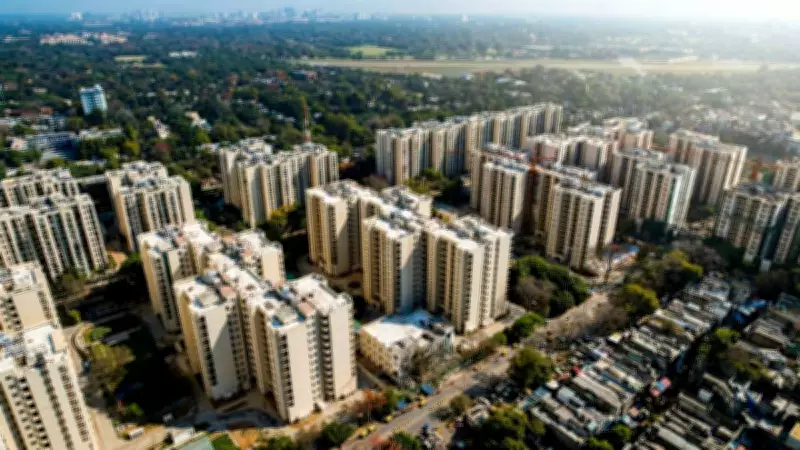
Delhi's 7 Colonies Undergo Major Rebuilding with Self-Sustaining Model
The Central government has launched an ambitious initiative to rebuild seven colonies in Delhi, employing a self-sustaining model that completely avoids the use of taxpayer money. This project, set for completion by 2026, marks a significant shift in urban development strategies, focusing on sustainability and financial independence.
Innovative Funding Approach
Under this model, the reconstruction is funded through innovative mechanisms such as public-private partnerships, land monetization, and revenue generation from commercial components within the colonies. This approach ensures that the project does not rely on government budgets or direct taxpayer contributions, making it a pioneering effort in India's urban renewal programs.
Focus on Modern Infrastructure
The rebuilding effort aims to transform these colonies into modern, well-planned residential areas with upgraded amenities. Key features include improved water supply, sewage systems, electricity networks, and green spaces. The design emphasizes sustainability, incorporating energy-efficient buildings and waste management solutions to reduce environmental impact.

Benefits for Residents
Residents of these colonies are expected to benefit from enhanced living conditions, with better housing, community facilities, and access to essential services. The project also includes provisions for affordable housing, ensuring inclusivity and addressing urban housing challenges in Delhi.
Timeline and Implementation
Scheduled for completion by 2026, the project is being implemented in phases to minimize disruption. Government agencies are coordinating with private stakeholders to ensure timely execution, with regular monitoring to maintain quality standards and adherence to the self-sustaining framework.
Broader Implications
This initiative serves as a model for future urban development projects across India, demonstrating how large-scale infrastructure can be financed without burdening public funds. It aligns with national goals of sustainable growth and efficient resource utilization, potentially inspiring similar efforts in other cities.






