

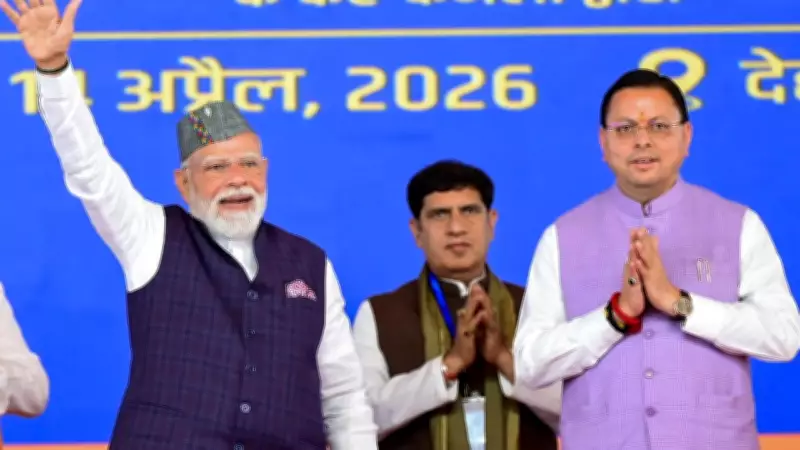
PM Modi Inaugurates Delhi-Dehradun Economic Corridor, Revolutionizing Connectivity
Prime Minister Narendra Modi officially inaugurated the highly anticipated Delhi-Dehradun economic corridor on Tuesday, marking a transformative milestone in India's infrastructure development. This ambitious project is set to dramatically reduce travel time between the national capital and the picturesque city of Dehradun, bringing them closer than ever before.
Project Specifications and Economic Impact
The 213-kilometer-long, six-lane access-controlled corridor represents a massive investment of over Rs 12,000 crore. Spanning across three states—Delhi, Uttar Pradesh, and Uttarakhand—this infrastructure marvel will slash the current travel duration of more than six hours down to approximately two and a half hours.
According to an official statement, the corridor is designed to play a pivotal role in strengthening regional economic growth by enhancing connectivity between major tourism destinations and economic centers. This improved accessibility is expected to open new avenues for trade, commerce, and development across the entire region, potentially boosting local economies and creating employment opportunities.

Advanced Infrastructure and Safety Features
The implementation of this comprehensive project involves substantial engineering works, including the construction of 10 interchanges, three Railway Over Bridges (ROBs), four major bridges, and 12 wayside amenities to ensure seamless high-speed connectivity. Commuters will benefit from an Advanced Traffic Management System (ATMS) installed throughout the corridor, promising a safer and more efficient travel experience with real-time monitoring and management capabilities.
Environmental Sustainability and Wildlife Protection
In a significant commitment to ecological preservation, the corridor has been meticulously designed with multiple features aimed at minimizing human-wildlife conflict in this biodiverse region. The project incorporates several dedicated wildlife protection measures, most notably a 12-kilometer-long wildlife elevated corridor, which ranks among the longest such structures in Asia.
Additional ecological safeguards include eight animal passes, two elephant underpasses each measuring 200 meters in length, and a substantial 370-meter-long tunnel constructed near the revered Maa Daat Kali Temple. These thoughtful design elements demonstrate the project's alignment with environmental sustainability principles while ensuring the free movement of wildlife across their natural habitats.
Prime Minister's Engagement and Public Response
During the inauguration events, Prime Minister Modi paid floral tributes to Dr. B.R. Ambedkar, honoring the architect of India's Constitution. Earlier in Saharanpur, the Prime Minister personally inspected the wildlife corridor on the elevated section of the economic corridor, demonstrating his hands-on approach to project oversight.
The inauguration day witnessed enthusiastic public participation, with Prime Minister Modi conducting a roadshow in Saharanpur where he waved to crowds lining the streets. He also offered prayers at Maa Daat Kali Temple near Dehradun, connecting with the spiritual heritage of the region. In Dehradun, large gatherings of citizens welcomed the Prime Minister, waving enthusiastically as his motorcade passed through the city streets, reflecting widespread public interest in this transformative infrastructure project.
The official statement emphasized that "the project reflects the vision of the prime minister to develop next-generation infrastructure that combines high-speed connectivity with environmental sustainability and improved quality of life for citizens." This corridor represents not just a transportation upgrade but a holistic approach to development that balances economic progress with ecological responsibility and enhanced living standards for the people of the region.






